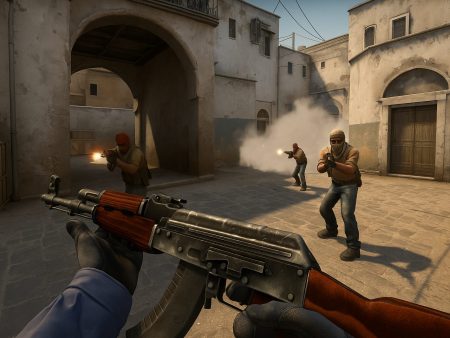
Master your aim in CS2 with this in-depth guide comparing tap firing, burst, and spray techniques. Learn when to use each style, pro tips, recoil control, and training methods to improve your gameplay. Perfect for beginners and competitive players alike.

When you step into a CS2 match, your skill with firing modes—tap, burst, or spray—can be the difference between clutching the round or ending up in the kill feed. Each technique has its strengths, weaknesses, and situations where it shines. This guide will break down all three, explain how to use them effectively, and give you pro-level tips to take your gunplay to the next level. Whether you’re a beginner learning how to shoot straight or a seasoned player trying to refine your aim, mastering these mechanics is essential.
Introduction to CS2 Gun Mechanics

The Evolution from CS:GO to CS2
Counter-Strike 2 brought some major under-the-hood changes from CS:GO, particularly in the subtick server system and weapon behavior. What this means for you as a player is that shooting mechanics feel slightly different. Tap shots register faster, and spray control feels smoother but still requires muscle memory and precision. While the fundamentals are the same, the execution has slightly shifted.
The new engine also enhances hit registration and recoil feel, making it even more critical to choose the right firing mode based on the situation. Unlike CS:GO, where the feeling was sometimes inconsistent, CS2 tries to reduce those edge-case misses. So, you’ll need to tighten your shooting fundamentals even further if you want to dominate.
Why Understanding Firing Techniques Matters
Ask any pro, and they’ll tell you that aim is king in CS2. But raw aim isn’t enough—you need to know how to shoot depending on where you are, what weapon you have, and what the enemy is doing. That’s where firing modes come into play.
- Tap Firing is great at long range and when you need precision.
- Burst Firing balances control and speed for mid-range encounters.
- Spraying dominates in close-quarter battles where raw firepower matters more than precision.
Knowing when to switch between these techniques makes your aim more lethal and your decision-making sharper. Understanding these firing styles is as important as your positioning or game sense.
What is Tap Firing?
Definition and Basic Mechanics
Tap firing is the art of shooting one bullet at a time with semi-automatic precision. It’s mostly used for long-range duels where accuracy matters more than volume. In CS2, tapping has become even more powerful due to improved hit registration and recoil control responsiveness.
Tap firing relies on quick, single mouse clicks that reset after each bullet. You’re aiming to fire one bullet at a time, wait a split second for your aim to reset, and then fire again. This ensures that each bullet goes exactly where your crosshair is placed.
CS2’s updated weapon mechanics have also slightly adjusted first-shot accuracy. It’s now more reliable—especially on rifles like the M4A4 and AK-47—making tapping even more viable.
When and Where to Use Tap Firing
Tap firing shines in situations where:
- You’re holding or peeking long-range angles (like Dust2 Long or Mirage Mid).
- You have low ammo and want to conserve bullets.
- You’re using weapons with strong first-shot accuracy (like the AK-47 or Desert Eagle).
- You’re trying to maintain stealth or trigger discipline in clutch situations.
The goal is to land a headshot with minimal exposure. One well-placed tap can drop an enemy before they even react.
It’s also perfect when your movement is restricted or when you’re jiggle peeking—quick taps can prevent you from overcommitting and getting punished.
Pros and Cons of Tap Firing
Pros:
- High accuracy and precision
- Minimal recoil to manage
- Ideal for long-range duels
- Great for ammo conservation
Cons:
- Low rate of fire = vulnerable in close range
- Missed shots are punishing
- Requires great crosshair placement
- Not effective against multiple enemies pushing quickly
Mastering tap firing requires discipline. You can’t just spam and hope to win. But once you’re confident in your aim, tapping becomes one of the deadliest tools in your arsenal—especially when you know your enemy’s exact position and can line up that pixel-perfect headshot.
What is Burst Firing?
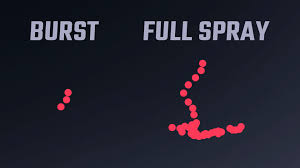
Understanding Burst Fire Patterns
Burst firing is when you shoot 2–4 bullets rapidly in quick succession, then pause to let your crosshair reset. It’s the in-between of tapping and spraying—faster than tapping, more controlled than spraying.
In CS2, burst fire patterns are a bit tighter thanks to better recoil feedback and updated animation syncing. That means you can squeeze out 3-4 bullets with decent accuracy before things start to spray wildly. This makes it a strong mid-range tool, especially when clearing angles or checking corners.
The key to successful burst firing is controlling the number of bullets and timing the pause. If you go overboard and fire 5-6 rounds, you’re effectively spraying without control.
Best Scenarios for Burst Firing
Bursting works best when:
- You’re fighting at medium range, like Inferno banana or Mirage connector.
- You can’t fully commit to a spray but want more volume than a tap.
- You’re swinging into a site or holding a tight angle where quick response is needed.
- You’re using rifles or pistols that support short bursts, such as the FAMAS or Glock-18.
It’s also a great technique when you’re moving and shooting—quickly bursting and resetting can win you duels without losing accuracy completely.
Advantages and Limitations of Burst Firing
Advantages:
- Balanced accuracy and damage
- Quicker time-to-kill than tap firing
- Effective in multi-enemy situations
- More forgiving than taps when aiming slightly off
Limitations:
- Recoil kicks in fast if you over-burst
- Not accurate at long range
- Can bait you into full spray mode
- Requires rhythm and timing
Burst firing is a flexible option, but it takes practice to master. Most new players over-burst or mistime their shots, turning it into an accidental spray. Get the rhythm right, though, and you’ll start outgunning full sprayers in mid-range fights.
What is Spray Control?
How Recoil Works in CS2
Spraying means holding down your mouse button and unleashing a stream of bullets. But in CS2, you can’t just point and hold—you need to control the recoil pattern if you want those bullets to hit.
Every weapon has a fixed spray pattern. For example, the AK-47’s bullets go up and then curve left and right. Learning this pattern means you can counteract it by pulling your mouse in the opposite direction while firing. This skill is called spray control.
CS2’s engine has made recoil more visually readable. You’ll notice a subtle screen shake and improved bullet tracers, helping you adjust in real-time.
Learning Spray Patterns
To get good at spraying, you must memorize the recoil pattern of each weapon. Start with popular ones like:
- AK-47
- M4A1-S / M4A4
- Galil / FAMAS
- MP9 / MAC-10
Practice the patterns in training maps like “Recoil Master – Spray Training”. Focus on pulling your mouse against the direction bullets travel.
The first 10 bullets are the most important—most engagements won’t last longer than that.
Comparison: Tap Firing vs Burst vs Spray
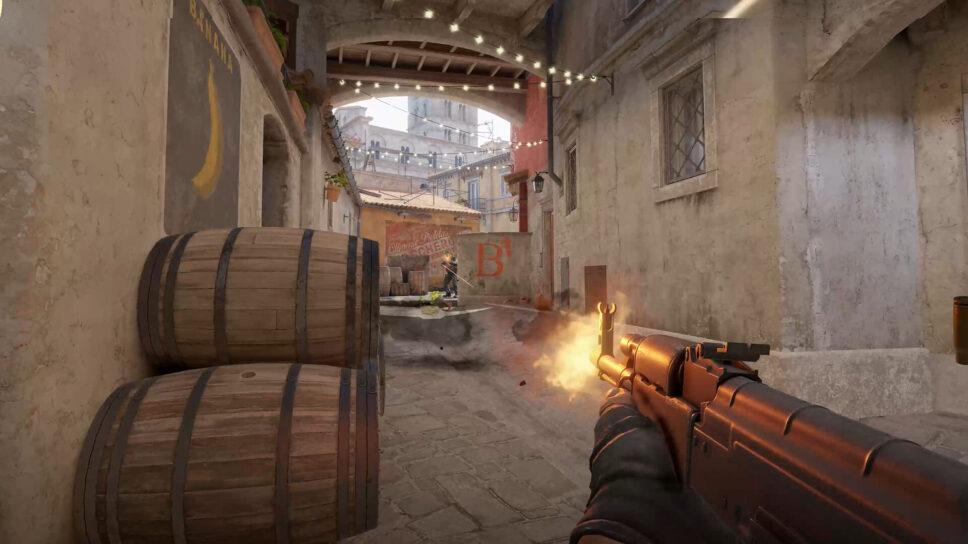
Accuracy and Bullet Spread
When it comes to raw accuracy, tap firing reigns supreme. Each bullet is fired with complete recoil reset, which means your shots land exactly where your crosshair is aimed. This makes tapping perfect for pixel peeking and long-range duels. However, if your crosshair placement or reaction time is off, a missed tap can be costly.
Burst firing offers a middle ground. The first 2-3 bullets of a burst are usually within a controllable range. Accuracy is good, but there’s a trade-off—each successive bullet adds more recoil. If your burst lasts too long, it transitions into an uncontrolled spray. Properly timed bursts give a good mix of damage and precision.
Spraying, on the other hand, sacrifices accuracy for volume. The longer you hold the trigger, the more your bullet spread grows. At close range, though, this doesn’t matter as much—volume wins over precision in tight spaces like apartments or tunnels.
Summary:
- Tap: Highest precision, lowest spread.
- Burst: Balanced, moderate spread.
- Spray: Low accuracy after initial bullets, wide spread over time.
Damage Output and Kill Potential
Tap firing offers high damage per shot, especially with rifles like the AK-47, which can one-tap enemies with a headshot—even through helmets. However, its kill potential decreases if you can’t land a headshot. It’s precise, but not fast.
Burst firing increases kill potential with a quicker time-to-kill (TTK) compared to tapping. A well-placed burst can easily finish off an opponent in less than a second, especially with good recoil control. It allows for follow-up body shots if the headshot doesn’t land.
Spraying maximizes your DPS (damage per second). If you can manage the recoil, it’s unmatched for mowing down multiple enemies or reacting to unexpected pushes. A full spray, when accurate, can take down two or more enemies without releasing the trigger.
Summary:
- Tap: High damage per bullet, low TTK unless precise.
- Burst: Moderate-to-high damage, faster TTK.
- Spray: Highest DPS potential, multiple kills possible.
Recoil Recovery and Control
Tap firing barely requires recoil control. You wait for the crosshair to reset after each shot, meaning the recoil is essentially zero if timed right. Your focus is on aim rather than control.
Burst firing starts with manageable recoil, but the key is to release before losing control. The sweet spot lies in shooting 2-4 bullets, then resetting. Practicing that rhythm is essential. You also need to slightly pull down your crosshair mid-burst to keep your bullets aligned.
Spraying is the hardest to master. Every weapon has a unique recoil path, and you must manually drag your mouse in the opposite direction to keep bullets on target. This takes hours of practice and muscle memory.
Summary:
- Tap: No recoil compensation needed.
- Burst: Moderate control needed, especially after 3rd bullet.
- Spray: High skill cap for full control.
Weapon-Specific Firing Recommendations
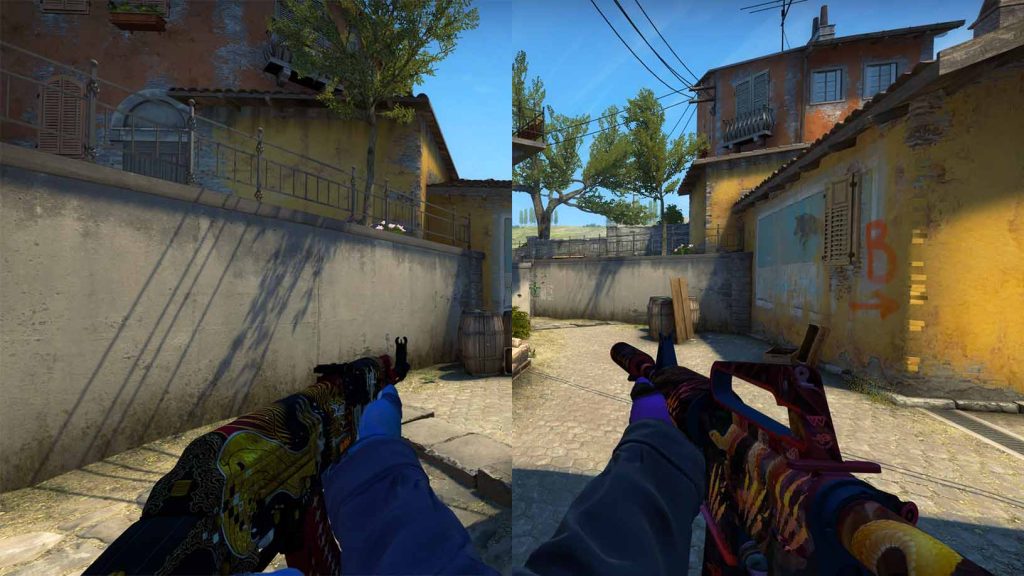
Rifles: AK-47, M4A4, M4A1-S
AK-47: Known for its one-tap headshot potential, tapping is deadly with the AK. But it also has a tight burst and spray potential. Use tapping for long-range, burst for mid, and spray for close engagements. Learn its spray pattern—upward with a side-to-side wiggle after the 6th bullet.
M4A4: Better for spraying. Tap and burst are fine, but where the M4A4 shines is in its consistent spray control. Use bursts for mid-range and spray in close combat. Unlike the AK, the M4A4 doesn’t one-shot to the head, so body sprays are common.
M4A1-S: Ideal for bursting and tapping. Its low recoil and silenced shots make it perfect for quick, controlled bursts. Avoid full spraying—its low magazine size (20 bullets) limits extended fights.
SMGs: MP9, MAC-10
MP9: A bullet hose at close range. Don’t bother with tapping—spray and pray (with some control). Its mobility and fast fire rate make it best for holding tight corners and rushing.
MAC-10: Same logic. It’s a run-and-gun beast. Control the spray slightly, but lean into its spraying strength. Ideal for eco rounds or aggressive T-side entries.
Both SMGs reward movement and volume of fire. Use them aggressively, and don’t overthink recoil control.
Pistols: USP-S, Glock-18, Desert Eagle
USP-S: A tap fire weapon through and through. Its first-shot accuracy is excellent, especially for headshots. Bursting is risky—stick to taps unless enemies are very close.
Glock-18: Designed for burst and spray. It’s weak per bullet, so you need volume. On pistol rounds, burst into the body or head to overwhelm CTs.
Desert Eagle: Only tap fire. It’s a high-risk, high-reward weapon. One shot to the head = instant kill. But it has brutal recoil and slow fire rate, so patience is key.
Map-Based Strategies for Each Firing Style
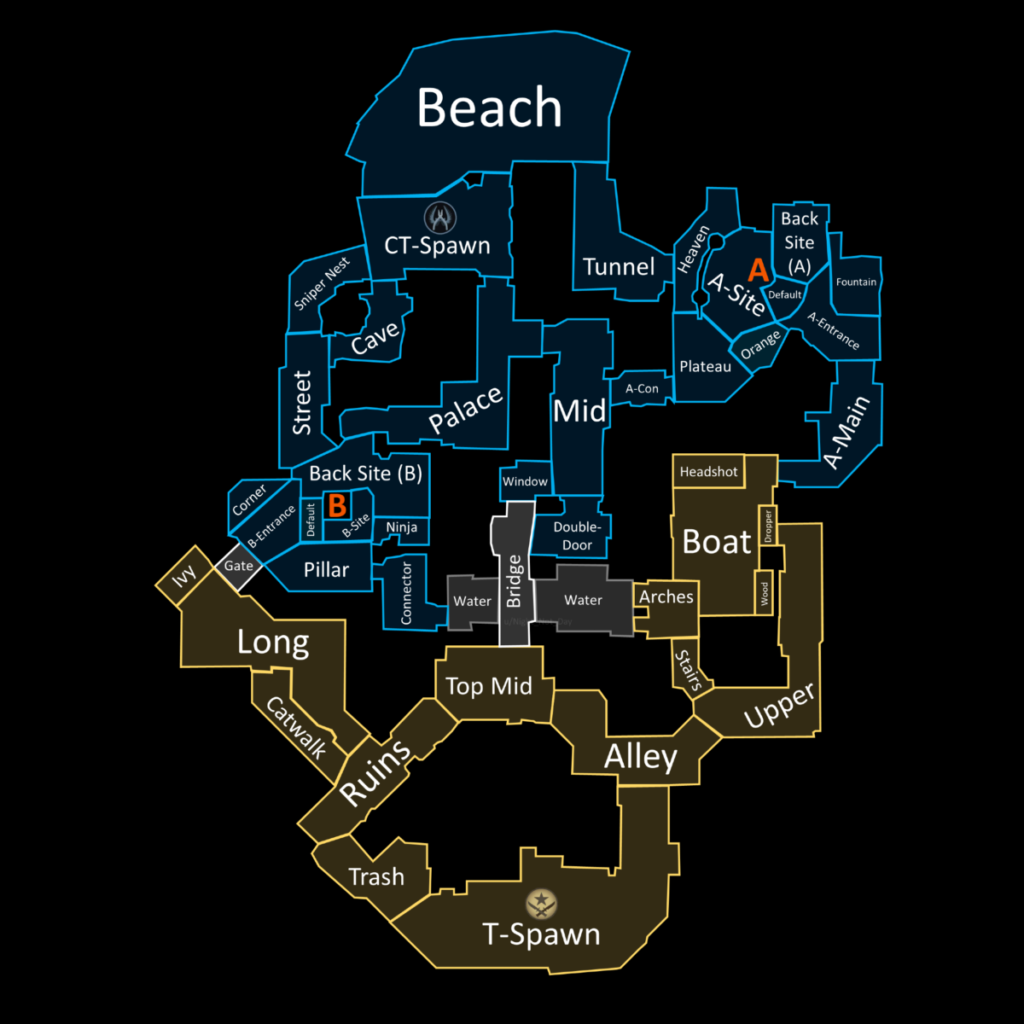
Close Quarters vs Long Range Maps
On tight maps like Inferno, Overpass (B site), or Ancient, spraying dominates. You’ll often be fighting in banana, tunnels, or tight hallways where tapping gives you no advantage. SMGs and rifles favor quick sprays around corners.
On long-range maps like Dust2, Mirage, or Anubis, tapping and bursting shine. Think of the long A push on Dust2—if you’re not tapping or bursting with precision, you’re just wasting bullets.
Knowing your engagement range helps determine your firing style. If you’re playing a long-range spot, don’t spray. If you’re lurking mid on Inferno, don’t tap.
High Ground and Angles
When playing high ground (like Nuke rafters or Mirage window), tap firing gives you control and keeps you hidden. You can reset between shots while dodging return fire. Bursting also works when enemies rush, but spraying can expose you too much from elevated positions.
From low ground or tight corners, spraying is ideal. Use it to catch enemies off-guard with volume and fast kill time. Think of B apartments in Mirage or close mid on Vertigo.
Smoke, Flash, and Utility Support
When fighting through smoke or after a flash, burst or spray. Tapping relies too much on vision. Spraying through smoke is common on CT-side when stalling a push. Bursting after a pop-flash is also effective for quick kills without overextending.
Use utility to set up your firing style:
- Flash and peek with spray.
- Molotov and hold long angles with tapping.
- Smoke off mid and burst from behind cover.
Training to Master Each Firing Technique

Aim Training Maps and Servers
To get good at tapping, bursting, and spraying, you need muscle memory and crosshair discipline. The best way to build that is using community training maps:
- Aim Botz: Ideal for tap and burst drills. Practice headshots and movement.
- Yprac Aim Trainer: Offers customizable burst/spray routines.
- Recoil Master – Spray Training: Learn spray control with visual guides.
- Fast Aim/Reflex Training: Perfect for reaction tapping and bursting.
Spend 20–30 minutes daily on these maps, focusing on one skill at a time. Don’t just spray every round—train your style purposefully.
Practicing in Deathmatch and Custom Servers
Deathmatch helps build real-time decision-making. Mix up your firing styles:
- Tap on long-range duels.
- Burst mid-range.
- Spray on rushes or close fights.
Use community deathmatch servers with free weapons, instant spawns, and specific maps. Also try “1v1 arena” servers—they simulate duels and are perfect for practicing burst/tap timing.
Sensitivity, Crosshair, and Config Optimization
If your aim is shaky, tapping won’t help. Fine-tune your setup:
- Lower sensitivity for better tapping control (1.5–2.0 on 400 DPI).
- Use a static crosshair with a visible color.
- Enable “cl_crosshair_recoil 1” in training to learn spray feedback.
Also, turn off mouse acceleration, and ensure your mousepad allows smooth movement.
Pro Player Examples and Styles
Tap Masters: ScreaM and NiKo
Few players have ever been as famous for their tap firing precision as ScreaM, often nicknamed “the headshot machine.” His entire gameplay style revolved around flicking directly to the head and firing just one bullet. His crosshair placement, movement discipline, and lightning-fast reflexes made him deadly at long ranges and in 1v1s. ScreaM rarely sprayed; he trusted his tapping to get the job done.
NiKo is another incredible example. While he incorporates more burst and spray than ScreaM, he’s still known for being an accurate rifler who prefers tapping and small, controlled bursts in high-pressure situations. Watch his plays on long-range angles—he’s not spraying but placing his shots carefully, especially with the AK-47.
What you can learn:
- Crosshair placement is everything. Tapping demands it.
- Train your first-shot reaction time.
- If you can reliably land headshots, tap firing lets you win most duels without wasting bullets.
Spray Gods: s1mple and EliGE
s1mple, arguably the greatest CS player of all time, has a hybrid aim style. He can tap, burst, or spray depending on the situation, but his spray control is what often stands out. In post-plant or high-pressure scenarios, s1mple sprays with accuracy that makes it look effortless. His kills often come from full-control sprays, especially on the M4A4 or AK.
EliGE, a top NA rifler, has long been known for mastering the AK-47 spray. In fast-paced entry fragging roles, EliGE’s spray transfers between enemies are smooth and lethal. He’s an excellent example of a player who uses aggressive movement and full spray to overwhelm enemies.
What to learn:
- Practice spray transfers to handle multi-enemy scenarios.
- Understand movement counter-strafing to begin sprays cleanly.
- Spraying isn’t just holding the mouse—it’s reading recoil like a rhythm.
Burst Efficiency: dev1ce and electronic
dev1ce, known for his calculated playstyle, relies on short, well-timed bursts—especially when anchoring or holding angles. He rarely commits to wild sprays. His aim style focuses on bursting 2-3 bullets, pausing, then readjusting. It’s methodical, clean, and ideal for players who prefer consistency.
electronic, on the other hand, uses bursting more dynamically. As an entry fragger and rifler, he bursts to overwhelm opponents with fast head-body combinations. His bursts aren’t random—they follow a rhythm that maximizes TTK without losing control.
What to learn:
- Bursting requires rhythm, not panic.
- Try burst-tapping hybrids to combine fast reaction with control.
- Bursting works best with confidence in spray reset timing.
Common Mistakes and How to Avoid Them

Overcommitting to One Style
A big mistake many players make is becoming too reliant on one firing technique. If you only tap, you’ll get steamrolled in close-range battles. If you spray everything, you’ll get punished in long-range fights. Balance is key.
Fix it:
- Practice switching between styles in training.
- In matches, be aware of distance and positioning—adapt firing style accordingly.
- Watch your demos. Are you tapping when you should spray? Or vice versa?
Misjudging Distances
This is common in newer players. They either tap too much at mid-range, losing fights to faster bursts, or they spray wildly from long range, missing every shot. Each technique has an effective range:
- Tap: Long (20+ meters)
- Burst: Mid (10–20 meters)
- Spray: Close (0–10 meters)
Fix it:
- Understand map distances.
- Use server plugins like “show distance” to train judgment.
- Memorize key spots and how to engage from each.
Ignoring Recoil Compensation
If you’re not actively compensating recoil, your shots won’t land. Tapping requires minimal control, but bursting and spraying need exact recoil handling. Many players think just pulling the mouse down is enough—but each weapon’s recoil pattern is different.
Fix it:
- Spend 10 minutes a day on Recoil Master.
- Record yourself and analyze spray patterns.
- Learn reset times between bursts—don’t shoot too fast.
Mastering these basics and avoiding these pitfalls will instantly improve your aim across all firing styles. Awareness, repetition, and adaptation are your best friends.
Role-Specific Firing Techniques
Entry Fragger vs Support
Entry fraggers go in first and need fast, reliable kills. Spraying and bursting are your best friends. Tap firing is too slow unless you have a perfect read on your enemy.
- Spray down site defenders.
- Burst through smokes and flashes.
- Use movement accuracy to your advantage.
Supports play slower. You’re throwing utility, holding angles, and watching flanks. Here, tapping and bursting make more sense. You’re less exposed, so you need to land clean shots when enemies come into your line of sight.
- Hold angles with taps or small bursts.
- Trade kills with clean bursts.
Lurker vs AWPer
Lurkers thrive on timing and catching enemies off guard. Your first shot must count—tap fire is key. You’re playing off sound cues and positioning, so spraying isn’t ideal unless you’re cleaning up a chaotic play.
AWPers occasionally pick up rifles. When they do, they tend to tap or burst, staying still for one precise kill rather than spraying wildly.
IGL Considerations
In-game leaders (IGLs) aren’t usually focused on raw mechanics, but their firing style must support their positioning and play-calling. IGLs tend to:
- Tap when anchoring or holding late-round.
- Burst to trade frag efficiently.
- Spray only when forced into a firefight.
Being an IGL doesn’t mean you can’t be sharp—knowing when to apply the right firing mode is essential to lead by example.
Tactical Use of Firing Techniques in Clutch Situations
1v1 and 1vX Decision Making
In clutches, firing style can make or break the round. Tapping gives you precision, burst gives you quick lethality, and spray gives you insurance when enemies rush together.
In 1v1s:
- Tap when holding angles.
- Burst when clearing corners.
- Avoid spraying unless you’re being pushed or time is low.
In 1vX:
- Position for 1v1 duels.
- Tap first, burst second, and only spray if overwhelmed.
- Listen for sound cues and hold angles with trigger discipline.
Sound Cues and Trigger Discipline
Your firing mode affects your audible presence. Spraying makes a ton of noise. Tapping is quiet and calculated. If you want to surprise your opponent or avoid third-party players pushing, tap or burst fire to limit sound exposure.
Tips:
- Hold fire unless you’re sure.
- Let enemies peek into your crosshair.
- Delay shooting to bait multiple enemies.
How CS2 Updates Affect Firing Techniques

Subtick System and Hit Registration
CS2 introduced a subtick server update, which improves how the server reads your exact firing moment. In CS:GO, there were instances where shots didn’t register correctly due to server tick rate limitations. In CS2, your taps, bursts, and sprays are now more faithfully registered.
That means:
- Tapping is more consistent (no more “ghost shots”).
- Bursting is tighter with recoil response synced better.
- Spraying feels more connected due to real-time input reading.
The skill ceiling just got higher because you can’t blame the server anymore—your aim really counts.
Changes in Weapon Behavior
Several weapons have slightly different recoil patterns or damage values in CS2. Also, bullet tracers and recoil visuals have improved, making it easier to learn patterns.
Key takeaways:
- Learn new patterns for the AK, M4A4, and pistols.
- Adjust to tighter spray windows in close fights.
- Re-learn burst rhythms if you come from CS:GO muscle memory.
CS2’s shooting system rewards precision, awareness, and control more than ever before. If you’ve been relying on old habits, it’s time to retrain with purpose.
Community Tips and Meta Insights
Reddit, YouTube, and Pro Analysis
If you’re serious about mastering tap, burst, and spray in CS2, it’s worth diving into the community’s resources. The CS2 community is massive, and players from all over the world share breakdowns, guides, and meta insights that can speed up your learning.
Reddit (r/GlobalOffensive & r/LearnCSGO):
- Threads comparing firing styles are common.
- Real-world examples from match demos.
- Discussions about changes in weapon behavior post-updates.
- Great place to get feedback on your clips and ask for personalized advice.
YouTube:
- Channels like n0thing, WarOwl, and vooCS consistently upload high-quality breakdowns on mechanics.
- Specific guides on spray control, tap aim training, and burst timing.
- Side-by-side comparisons of weapons and recoil patterns.
- Pro gameplay analysis that explains firing styles in context.
Pro Match Analysis:
- Watching tournaments like BLAST Premier, ESL Pro League, or IEM gives insight into when pros switch between tapping, bursting, or spraying.
- Analysts often break down mechanical decisions round by round.
Here’s how to benefit:
- Save clips where pros use a firing style effectively.
- Try to replicate their positioning, timing, and shooting style.
- Compare their decisions to yours in similar situations.
What the CS2 Meta Suggests Now
As of the current CS2 meta, there’s a noticeable shift toward cleaner, more controlled gameplay. Due to the improved hit registration and feedback from the subtick system, players are leaning heavily into tapping and bursting rather than wild sprays.
That doesn’t mean spraying is dead. It’s still effective—especially in eco rounds, rush plays, and SMG strats—but the current high-skill meta favors players who can hit the first bullet reliably.
Additionally:
- M4A1-S and AK-47 are still tap/burst favorites.
- Pro teams emphasize crosshair placement and peek timing more than aggressive sprays.
- Economy shifts in the game have made efficient ammo usage more important, again favoring burst and tap styles.
If you want to stay competitive, adopt a hybrid style and practice each firing technique in context—not isolation.
Conclusion
In the end, there’s no “one-size-fits-all” firing style in CS2. The best players are those who can adapt quickly and execute all three styles effectively—knowing when to tap for precision, burst for speed, and spray for control.
Tapping is the choice for sharp aimers who thrive at long-range duels. Bursting serves as the bridge—flexible, quick, and deadly when timed right. Spraying remains the king of close-range chaos, but only for those who have tamed the recoil beast.
The key to mastering all three lies in:
- Knowing your weapon’s recoil and reset timings.
- Understanding map control and range.
- Using movement and utility to set yourself up for the ideal engagement.
So the next time you queue up, don’t just spray mindlessly. Read the situation. Pick your technique. And pull the trigger with confidence.
FAQs
Which is better—tap, burst, or spray?
It depends on the situation. Tap firing is best for long-range, bursting works well mid-range, and spraying is ideal in close combat. The best players use all three styles depending on distance, weapon, and timing.
How can I learn to spray better in CS2?
Start with maps like Recoil Master – Spray Training, focus on one weapon at a time, and learn its exact recoil path. Practice spraying while standing still, then try adding strafes and counter-strafing to simulate real fights.
Is burst firing ever better than spraying?
Absolutely. In mid-range duels, burst firing can secure faster kills with more control than a spray. It’s also safer when peeking since you’re exposed for a shorter time.
Does tapping still work in CS2 with the new update?
Yes—and it might be even more effective now due to the subtick system improving hit registration. Clean, precise taps are rewarded more consistently than in CS:GO.
What’s the best way to train recoil control?
Use dedicated recoil maps, record your gameplay to review sprays, and learn to adjust your aim based on spray direction. Break your training into short sessions and focus on one weapon at a time until you master it.