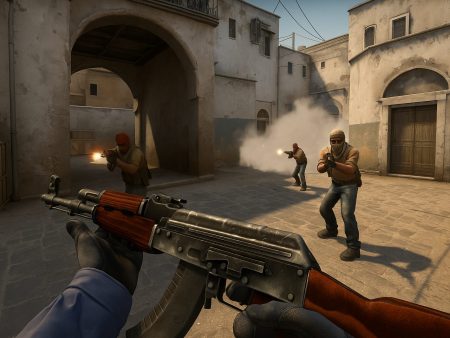
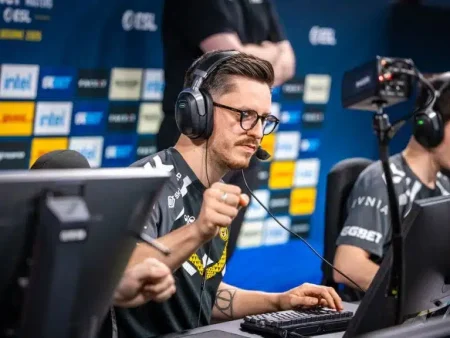
Master CS2 with this in-depth guide on T-side and CT-side strategies. Learn pro tactics, roles, utility usage, communication tips & more to dominate your team matches.

In the high-stakes, fast-paced world of Counter-Strike 2 (CS2), success isn’t just about crisp aim or flashy plays—it’s about synergy. Team strategy is the lifeblood of any competitive squad. Even if you’ve got the sharpest aim on your team, without proper coordination, your team will likely fall short against well-drilled opponents who function like a machine.
Teamplay isn’t a vague concept; it’s a structured approach that blends communication, positioning, roles, and timing. In CS2, especially with the updated engine and new tick-based subtick system, the margin for error is slimmer than ever. Executing perfect site takes, rotating at the right time, or managing economy strategically can determine the outcome of a round or even the match itself.
Think of your team as a squad in a warzone: each player has a duty, and their effectiveness hinges on how well they operate within that system. Random pushes or solo plays can work once in a while, but consistent wins require structure. Whether you’re stacking on CT-side to shut down a rush, or splitting bombsites with utility on T-side, understanding how to play as a unit is the edge that separates good teams from great ones.
Plus, team strategy makes the game more fun. When a perfectly timed flash leads to a clean entry or your team executes a fake that completely bamboozles the opponents, it’s exhilarating. That’s why it’s crucial to learn how to strategize, not just aim and shoot.
Key Differences Between CS2 and CS:GO Affecting Teamplay

While CS2 is fundamentally built on the foundation of CS:GO, there are several mechanical and visual differences that affect how teams operate. Ignoring these differences can lead to outdated strategies that simply don’t hold up anymore. Here are some core changes that influence teamplay dynamics:
- Subtick System: Unlike the traditional 64 or 128 tick servers, CS2 uses a subtick system, making actions feel smoother and more responsive. This means that timing-dependent team strategies (like pop flashes or synchronized pushes) must be even more precise.
- Volumetric Smokes: This is a game-changer. Smokes are now 3D, dynamic, and can be manipulated with utility like HE grenades or other smokes. You can’t simply hide in a smoke and expect to be unseen anymore. This adds a layer of depth to both T and CT-side strategy, where controlling or clearing smokes mid-fight becomes part of the playbook.
- Enhanced Audio and Visibility: The updated Source 2 engine improved how sound travels and how visibility behaves in different lighting. This can either help or hurt a coordinated team depending on how well they adapt their communication and site-holding tactics.
- New Buy Menu: Teams now have the flexibility to equip both M4 variants or pick different weapons with more freedom. This allows more tactical variation, like equipping a full team with SMGs for a fast rush defense on eco rounds.
The bottom line? If your team is treating CS2 like it’s just CS:GO with better graphics, you’re already behind. Every strategy must be refined, tested, and adapted to CS2’s unique mechanics.
Core Principles of T-Side and CT-Side Gameplay
Understanding Objectives of Each Side
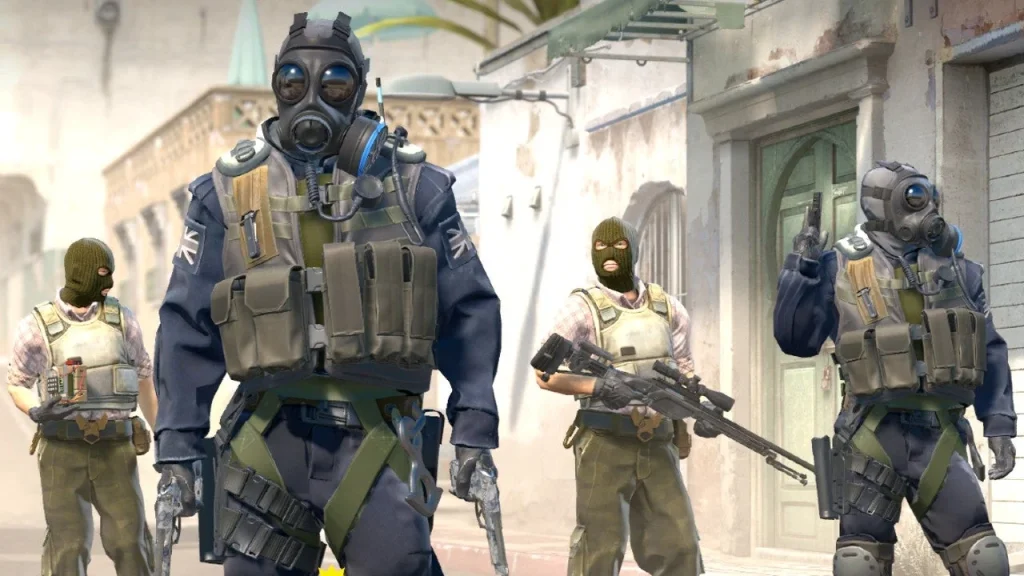
Let’s start with the basics. The two sides—Terrorists (T-side) and Counter-Terrorists (CT-side)—have different win conditions and thus require different mindsets.
- T-Side Objective: Plant the bomb and defend it until it explodes, or eliminate all CTs. The key here is map control, execution, and timing.
- CT-Side Objective: Prevent the bomb from being planted by eliminating all Ts or defusing the bomb if it gets planted. It’s more about information, positioning, and smart rotates.
T-side is more proactive, while CT-side is reactive, but the best teams know how to switch that dynamic when needed. For instance, CTs might push for map control early and then fall back, flipping the pressure onto the Ts.
Also, understanding your economy and win conditions for each round is critical. On eco rounds, your goal might be to get a plant for money rather than to win outright. On gun rounds, your whole team needs to coordinate smokes, molotovs, and flashes to maximize site control and minimize casualties.
And most importantly—don’t play every round the same. Predictability is death in CS2. Variety is key to staying one step ahead of your opponents.
Roles and Responsibilities for T-Side Players

Every player on the T-side has a role to play, and while some flexibility exists, clearly defined roles help prevent chaos. Here are the core ones:
- Entry Fragger: This is your point man. They go in first, take initial fights, and open up sites. It’s a high-risk, high-reward role. Entries must have excellent aim, fast decision-making, and nerves of steel.
- Second Entry / Trade Fragger: They follow closely behind the entry and ensure trades. Their job is to punish defenders who peek out after the first kill. Good chemistry with the entry is key.
- Support / Utility: They throw smokes, flashes, and molotovs to set up site takes. Think of them as the tactical engineers of the team. Perfect utility usage can win rounds before shots are fired.
- In-Game Leader (IGL): The brain of the operation. Calls strats, adapts mid-round, and controls the pace. Every successful team has a confident, sharp IGL who can keep the team focused.
- Lurker: Operates away from the main group to catch rotates, create distractions, or backstab unsuspecting CTs. Think of them like the assassin—timing and map awareness is everything.
When these roles are in sync, your T-side will feel like a well-oiled machine, cutting through defenses with precision. But when players freelance without coordination, it falls apart fast.
Roles and Responsibilities for CT-Side Players
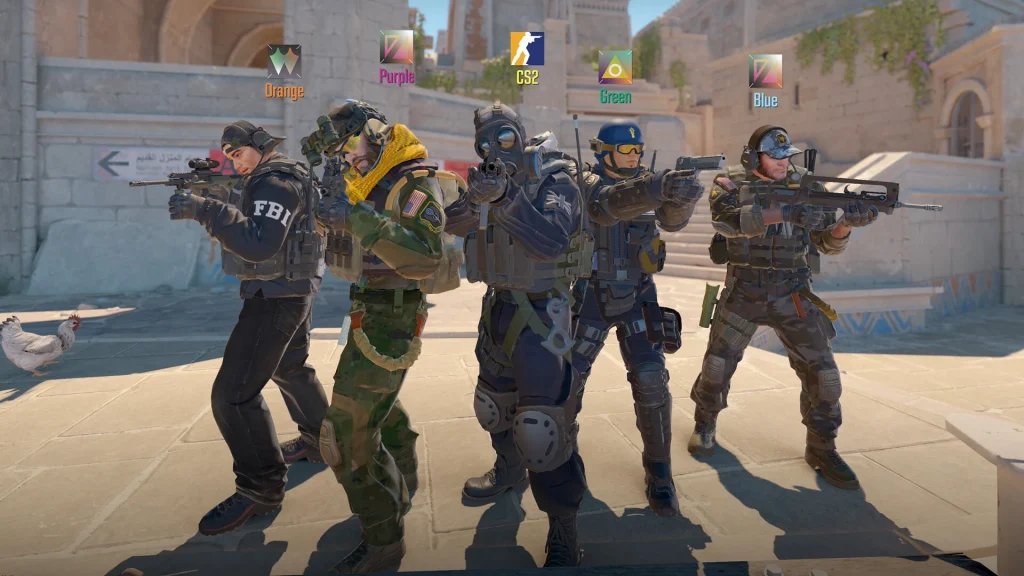
CT-side roles are equally essential, though more reliant on positioning and map knowledge. Here are the main ones:
- Site Anchor: Holds one bombsite, often solo or with minimal support. Must be good at staying alive, delaying pushes, and calling for rotations. Their goal is survival, not heroics.
- Rotator: Positioned near mid or the other site, ready to support as needed. These players need sharp map awareness and quick decision-making.
- AWPer: The sniper of the team, usually placed at long sightlines or choke points. Their job is to get early picks and hold down lanes. A good AWPer can single-handedly lock down a bombsite.
- Aggressor / Map Control Specialist: Pushes early into areas like B halls or mid to gather info or get picks. Often used on CT sides to disrupt default setups from the Ts.
- IGL: Same as on T-side, but focused on reading the opponent’s tendencies and directing rotations or stacks accordingly.
Coordination is everything. If one CT rotates early while the others stay too long, sites become vulnerable. Understanding when to fall back, when to push, and when to call for help can win you the round—even without kills.
T-Side Strategies: Mastering the Terrorist Side
Default Strategy and Map Control
Running a solid default setup is the foundation of any successful T-side. It’s not flashy, and it won’t get you highlight clips on YouTube—but it wins games. A default strategy is essentially your information-gathering round. Instead of rushing a site or committing to a push early, your team spreads out across the map to control key areas, bait out CT utility, and sniff out weaknesses.
In a good default, you’ll have:
- One player lurking or probing on one side of the map.
- Two players in mid, either holding or gaining control slowly.
- Two players in default positions outside the intended bombsite, pressuring without overcommitting.
The purpose of this setup is to force CTs to reveal their hand. For example, if you spot 2–3 defenders early at B, you can assume A is lighter and pivot your attack accordingly. It also allows you to punish overaggression from CTs who push for information.
Map control is key in CS2, especially with the dynamic nature of smokes. In older titles, once a smoke landed, it was a temporary barrier. Now, with the ability to disperse smokes using HE grenades or bullets, your team can regain vision and force CTs into the open. Use this to your advantage by conditioning opponents—show presence at one site repeatedly, then strike at the other when they shift their setup.
A proper default round should last at least 40–60 seconds before a commitment. Rushing in too early usually plays right into the CTs’ setup. With map control and proper communication, your mid-round calls become much easier and more impactful.
Best Practices for Gaining Early Round Information
- Pre-nade common CT spots to discourage aggression or catch early pushes.
- Hold angles passively to punish CTs who go for picks.
- Use one-way smokes and flashes to safely peek and gain map control.
- Fake utility to suggest you’re taking control without full commitment—force CTs to rotate or drop early utility.
Remember, you don’t need to win the round in the first 20 seconds. The goal here is to control the pace, gain valuable info, and bleed out CT utility before your final push.
Mid-Round Calls and Adjustments
Once you’ve gathered early info in a default, your IGL (in-game leader) steps in. Maybe you heard two players rotating from B to A. Maybe your lurker spotted a solo anchor. These are green lights to adjust your play.
Some common mid-round calls:
- Site hit after a pick: If you get an early kill, the CTs are likely to shift. Push the weaker site quickly before they reset.
- Re-hit a site: Hit B with utility, pull rotations, fall back, then hit B again 10 seconds later—CTs might rotate off and leave it vulnerable.
- Mid-split: If you’ve controlled mid early, use it to split a site with players from two angles. This is tough to defend and forces isolated fights.
Smart mid-round adjustments come from good communication and awareness. Listen to your teammates. Coordinate your utility. And never commit without some level of map control or intel.
Execution-Based Strategies
When it’s time to execute onto a site, everything needs to be clean, synchronized, and deliberate. One missed smoke or poorly timed flash can cost you the round. Executions are all about overwhelming the CT setup with utility, fast trades, and confident movement.
A-Site Executes
Let’s take Dust2 as an example. A common A-site execute might look like this:
- One player smokes CT spawn.
- Another throws a flash over long or short.
- Molotovs clear car or goose.
- Everyone commits together, watching for crossfire setups.
You’re trying to force CTs into passive spots or out of position with your utility. Once you’re on site, plant fast and take post-plant positions that allow for crossfires and trade potential.
Key tips for successful A-site executes:
- Always smoke key choke points.
- Flash before peeking to avoid getting shredded on entry.
- Have one player clear angles while another plants.
B-Site Executes
B sites are typically more compact and harder to retake. That’s good for Ts—once you’re in, you’re in. The key is entry fragging and utility usage. A strong B execute might involve:
- Double molotovs to force players out of back site or car.
- Pop flash through tunnels or window to blind defenders.
- Close flashes for entry fraggers to push through smoke.
One mistake many teams make is waiting too long and letting defenders set up crossfires. Push as a unit and take control decisively.
Fake Executes to Split Defenders
Fakes are one of the smartest ways to outplay CTs. Here’s a classic scenario:
- 3 players go A and throw full utility: smokes, flashes, molotovs.
- CTs start rotating.
- 2 players silently walk into B or mid and take the empty site.
This works best when you’ve conditioned the enemy to expect a full commit after utility. Done right, it leaves one poor defender isolated and outnumbered.
Fakes require trust and timing. The fake team must sell the attack, and the split team must be ready to go once rotations happen.
Aggressive and Fast-Paced Strategies
Sometimes, slow and methodical just won’t cut it—especially if the enemy is reading your defaults well. That’s where fast rushes and high-tempo strategies come in
Rush Tactics: When and How to Use Them
Rush strategies work best:
- Against weak buys when you want to overwhelm CT pistols.
- To punish passive setups.
- To change the pace and catch opponents off guard.
Tips for successful rushes:
- Pre-plan your utility: One smoke, two flashes minimum.
- Designate roles: First in throws no nades, just clears angles.
- Commit fully: Half-hearted rushes get you picked apart.
Example: Rush B on Inferno.
- One player throws a smoke for CT.
- Another flashes deep site.
- Team floods in and overwhelms defenders before they can rotate.
You won’t do this every round, but when used occasionally, rushes are devastating.
Fast Mid Takes and Splits
Taking mid control early can split the map and pressure CT rotations. Combine it with fast catwalk or connector splits, and you’ve got the CTs in disarray.
Best practices:
- Smoke window, molotov connector or top mid.
- Flash over and peek together—timing is everything.
- Use mid control to backstab CTs or cut off rotators.
This is where your team’s coordination shines. Fast strats succeed when every player knows their exact timing, role, and path.
CT-Side Strategies: Holding the Defense
Understanding Rotations and Anchor Roles
CT-side isn’t just about holding angles—it’s about smart movement, good timing, and trusting your teammates. One of the most critical elements is understanding rotations.
Each bombsite typically has:
- One anchor: Stays on the site to hold early pushes.
- One rotator: Starts near the site or mid and rotates as needed.
- One mid player (depending on map): Controls transitions and supports both sites.
A good rotation isn’t just about moving fast—it’s about rotating at the right time. Rotate too early and leave your site exposed; rotate too late and your teammates get overwhelmed.
The anchor’s job is tough. You must:
- Hold your ground without overextending.
- Delay pushes with utility (smokes, molotovs).
- Communicate how many enemies are pushing.
CT anchors win rounds not by fragging out, but by buying time for teammates to rotate and assist.
Map Control for CTs – Aggressive vs Passive Holds
One of the biggest decisions CT players must make each round is whether to play aggressively or passively. This isn’t just a stylistic choice—it’s a strategic one that can change the entire flow of the match.
Aggressive Holds
Aggression as a CT can take many forms: early peeks, pushing for info, or even stacking a site based on a read. The key benefits include:
- Early information: If you peek mid or push an extremity and spot players, you give your team valuable intel.
- Map pressure: Forcing Ts to check every angle slows them down and burns their utility.
- Control of key areas: Holding onto mid or banana (on Inferno) can completely deny T-side map control.
But aggression is a double-edged sword. If your aggression gets punished—especially without a trade—you gift the T-side a numbers advantage and potentially a free bombsite. That’s why aggressive plays need coordination and setup. Think about having a teammate flash you in or trade your peek.
Passive Holds
Passive setups focus on:
- Delaying pushes with utility.
- Maintaining crossfires and safe positions.
- Forcing the T-side to commit first.
This style works best when:
- You’re facing a team known for early aggression.
- You’re low on utility and need to conserve.
- You have a strong AWPer holding long lines.
A passive setup might involve playing from pit on A site or hiding behind site boxes on B, waiting for the execute before revealing your position.
The best CT teams mix both styles. Aggress one round, turtle the next. Keep the Ts guessing.
How to Handle Early Rushes from Ts
T-side rushes can catch even seasoned CTs off guard. But with proper setup and communication, you can shut down rushes cold and turn the momentum in your favor.
Early Utility Usage
When you hear the “go go go” of a T rush, your best tools are smokes, molotovs, and flashes. For example:
- Smoke the choke point (e.g., banana, long, apps).
- Molotov common push paths (e.g., B tunnels, ramp).
- Flash to blind incoming Ts and get favorable duels.
The goal is not always to kill everyone—sometimes it’s just about slowing them down, forcing them to waste their momentum or stack up in a choke.
Positioning is Everything
If you’re anchoring, try to play a position where you:
- Can delay safely (e.g., new box, pit).
- Have escape routes or cover.
- Can be traded by a teammate rotating in.
Also, don’t fight alone. The worst thing you can do is dry peek into five Ts rushing. Fall back, call for help, and trust the team setup.
Adapting Round-to-Round
If you get rushed on a site and lose, don’t panic—adapt.
- Use double-nades or pre-fire molotovs next round.
- Play deeper with a bait-and-switch setup.
- Push another area to get info while stacking the rushed site.
Stopping a rush isn’t always about raw aim. It’s about being one step ahead in positioning, utility, and decision-making.
Communication and Team Coordination
Importance of Clear, Concise Comms
Communication is the glue that binds all the strategy together. Even if your team knows every smoke lineup and executes to perfection, it all falls apart without good comms.
The best teams have calm, consistent, and actionable communication. This includes:
- Enemy positions: “One close ramp,” not “he’s somewhere over there.”
- Utility usage: “I’m flashing mid now,” so no one peeks too early or gets blind.
- Rotations and info: “3 B, fall back A,” helps your team make smarter choices.
Avoid cluttering comms. If someone is calling, let them finish. Mid-round chaos is no time for multiple voices. Trust your IGL or designated caller.
Callout Consistency and Standardization
Whether you’re playing Mirage, Inferno, or Ancient, every map has standard callouts. Your team should be using the same terms consistently. For example:
- Don’t say “upper B” one round and “back tunnels” the next.
- Don’t call “window” when you mean “jungle.”
Miscommunication kills more rounds than bad aim.
If you’re on a new team or playing with friends, take 10 minutes before a session to review and agree on callouts. It’s a small step that prevents big confusion.
Using Utility as a Team
The difference between solo queuing and actual team play often comes down to how utility is used.
Great teams:
- Chain utility for maximum effectiveness (e.g., molly, then flash, then peek).
- Time executes perfectly, so all smokes and flashes land simultaneously.
- Communicate utility usage before using it, so everyone can play off it.
Poor utility usage leads to:
- Team kills or team flashes.
- Missing smokes that leave gaps.
- Early utility wasted without map control.
Practice utility lineups together. Know who throws what and when. It turns a random group of players into a synchronized force.
Advanced Team Tactics and Playstyles
Lurking and Trading Effectively
Lurkers are your silent assassins. They don’t go with the pack—they operate alone, reading the game, punishing rotations, and breaking setups.
A good lurker:
- Doesn’t overpush.
- Communicates key info.
- Times their flanks perfectly.
Too many players confuse lurking with baiting. A lurker isn’t hiding to save their KD—they’re actively contributing by forcing rotations, getting info, or creating late-round clutch potential.
Meanwhile, trading is the bread-and-butter of T-side execution. When one teammate dies, the next one should instantly refrag. This requires tight spacing and trust.
Always be within 2–3 seconds of your teammate’s angle. Don’t lurk accidentally by being too far back.
Setting Up Crossfires and Stack Plays
On CT-side, crossfires and stacks are power multipliers. They let you win rounds with pistols or low buys by catching Ts off guard.
- Crossfire: Two CTs watch the same angle from different positions. When the first shoots, the second surprises.
- Stack: 3 or more CTs play one bombsite to stop a likely rush or gamble on a hit.
Both require communication and discipline. Don’t break the setup by peeking early. Let Ts walk into the trap.
Example: On Inferno, one CT plays back site B while another plays second oranges. Ts will focus on one, giving the other free kills.
Strategic Use of Utility: Smokes, Flashes, Nades
Every grenade you throw should have purpose. Blind flashes, bad smokes, or wasted molotovs lose rounds.
Key tactics:
- One-way smokes: Create vision advantages—use sparingly to avoid being predictable.
- Bounce flashes: Land them behind corners to blind opponents without flashing teammates.
- Retake utility: Save some nades for after the bomb is planted.
Utility isn’t just for site takes—it’s for denying info, punishing rushes, and controlling the map. Master it, and you dominate even against better aimers.
Practicing and Improving as a Team
Scrimming and Reviewing Demos
To grow as a team in CS2, you can’t rely on just pug matches or solo queues. Scrimming (practice matches against other teams) is essential. This is where your strategies, timings, utility setups, and communication are truly tested.
During scrims, your focus should be on:
- Practicing set plays and trying new tactics.
- Testing individual roles under real pressure.
- Identifying gaps in utility usage or map coverage.
But scrims mean nothing without demo reviews. Watching your matches back—whether wins or losses—allows you to:
- See what went wrong in failed executes or rotations.
- Analyze enemy strategies and learn from their strengths.
- Identify communication breakdowns or mistimed utility.
Use demo reviews as an honest feedback session. Don’t point fingers—focus on improvement.
A simple framework during reviews:
- What was the round plan?
- Did everyone execute their role?
- Where did timing or communication fall apart?
- What can we do differently next time?
The most successful CS2 teams are not just those who play often, but those who learn consistently.
Role Practice and Internal Matches
To execute team strategies effectively, each player must master their individual role. This requires role-specific practice.
- Entry fraggers should practice entry routes and peeking angles.
- Support players need to learn every crucial utility lineup for each map.
- IGLs should review common pro strategies and adapt them.
- Lurkers must learn timings, rotations, and off-angle abuse.
Internal matches (scrims among your own squad) are a great tool to sharpen roles without outside pressure. Try switching sides or roles occasionally to understand each other’s challenges and gain empathy.
This kind of targeted, internal play builds trust, chemistry, and team intuition—all crucial for clutch rounds and tough games.
Team-Building and Trust Development
Believe it or not, CS2 is as much mental as it is mechanical. Teams that trust each other perform better. Simple.
- If your teammate whiffs a shot, back them up.
- If someone has an idea mid-round, give it a shot.
- Celebrate wins and support through losses.
Building this trust takes time. Some ideas:
- Watch pro games together and discuss what you notice.
- Do non-CS activities together occasionally (Discord chats, fun games, etc.)
- Talk regularly about team goals, strengths, and areas for improvement.
Great chemistry turns 1v2s into clutches. It creates unspoken synergy in site hits. It makes the game fun even when you’re losing. That’s the glue of long-term CS2 success.
Common Mistakes in Teamplay and How to Avoid Them
Over-Rotating and Lack of Map Awareness
One of the easiest ways to lose rounds on CT-side is by over-rotating. Let’s say a T throws a fake molotov on A and your whole team sprints to rotate—meanwhile, the bomb is walking into B.
Avoid this by:
- Communicating with discipline. Don’t panic-rotate. Ask, “Did you spot the bomb?”
- Using info-based rotations only. If you have no real visual or audio cue, stay your ground.
- Holding key map control (like mid or cat) so you’re not blind to rotations.
T-side teams often exploit over-rotations with fakes or utility bait. Learn to identify fake pressure from real commitments.
Poor Communication and Mismatched Timing
Miscommunication is another team killer. Common issues include:
- Multiple players talking over each other.
- Players calling false or outdated info.
- Bad or missing utility calls (e.g., flashing without warning).
Fix this by:
- Establishing a primary shot-caller.
- Using concise and clear callouts.
- Practicing rounds in scrims with a focus on timing and voice discipline.
Timing errors also arise when teammates enter sites separately, or when utility is delayed. Fix this by syncing before executes:
- “Throwing smoke in 3… 2… 1… go!”
- “Wait for the molly, then push.”
One voice. One team. One execution.
Real Match Scenarios and Pro-Level Examples
Analysis of Famous Pro Rounds
Let’s take an iconic example: Na’Vi’s Mirage A execute.
- They fake mid control with smokes and flashes.
- The CTs rotate 2 players toward connector.
- Meanwhile, s1mple walks out palace with perfect timing and gets a pick.
- Utility hits A from multiple angles (jungle, CT, stairs), and they collapse onto site.
What makes this work?
- Perfect timing between mid fake and A push.
- Trust in roles—every player did their part.
- Crisp utility and decisive movement.
Watching pro matches like this gives insights into how real coordination, strategy, and improvisation look under pressure.
Learning from Mistakes and Successes
Don’t just look at what went right—look at what went wrong.
Maybe a team lost a round because:
- They pushed solo without a trade setup.
- The AWPer overpeeked after the plant.
- The CTs rotated too fast and got faked.
The difference between Tier 1 and Tier 2 is mistake mitigation. Learn from every round—your own or someone else’s.
Try watching pro demos from both sides:
- CT-side: Watch how anchors delay and rotate.
- T-side: Study how executes are layered with flashes and peeks.
Use this to inspire and inform your team’s strategy bank.
Conclusion
CS2 isn’t just about headshots and reflexes—it’s a deeply strategic, team-based game where coordination, communication, and tactical intelligence separate the good from the elite.
Whether you’re on T-side trying to break through bombsite defenses, or on CT-side holding the line and managing rotations, every decision matters. Every smoke, every flash, every callout can tip the round in your favor—or cost you the match.
Focus on building:
- Structured roles
- Solid utility usage
- Consistent comms
- Team chemistry
With dedicated practice, good vibes, and a shared strategic vision, your team will not only win more games but also enjoy CS2 at its highest level.
So gather your squad, hit the servers, and put in the work. Because the road to greatness in CS2 is paved with perfect pop flashes, well-timed rotates, and flawless team synergy.
FAQs
What is the best strategy for T-side in CS2?
The most reliable T-side strategy is a strong default setup followed by coordinated mid-round calls. Gain map control, force out CT utility, then decide on a fast execute, a fake, or a mid split based on info.
How can I improve my communication in team matches?
Keep your comms clear, short, and actionable. Use standardized callouts, avoid clutter, and make space for the IGL. Practicing communication drills in scrims can also help refine timing and clarity.
What are common mistakes CTs make during executes?
CTs often over-rotate, use utility too early, or isolate themselves without backup. The best CTs communicate well, play off each other’s positions, and hold angles with delayed peeks or bait setups.
Is defaulting still useful in CS2?
Absolutely. Despite faster pace and new mechanics, defaulting remains one of the most powerful ways to control rounds, gather information, and keep CTs guessing. Just make sure it’s active and not passive.
How do pros coordinate complex executes effectively?
Through hours of practice, scrims, and demo reviews. Every player knows their role, utility lineup, and timing. Pro teams also communicate every move leading up to and during the execute, leaving no margin for error.