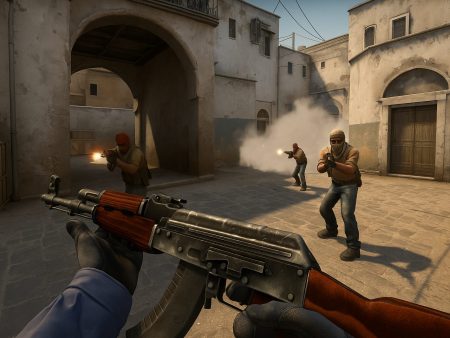
So you want sweet-looking gear in Counter-Strike 2 (CS2) — flashy AK skins, a Doppler knife, maybe a StatTrak AWP that makes your crosshair feel richer just by existing. Lucky for you, 2025 gives more routes than ever to score skins, but it also brings new rules, new systems, and more ways to get burned if you’re careless.
This is a practical, human guide — no fluff, no moralizing — that walks through every legit method to get skins in CS2 in 2025, how each one works, the tradeoffs, and how to keep your account and wallet safe. Let’s get into it.
What Are CS2 Skins?

The evolution from CS:GO to CS2
Skins are purely cosmetic items that change the appearance of weapons (and knives). They don’t affect gameplay, but they affect status, enjoyment, and—often—wallets. CS2 inherits the skin economy from CS:GO but with updated visuals and, increasingly, updated monetization mechanics from Valve. Skins remain tradable and marketable via Steam’s inventory system and supported marketplaces.
Why skins matter
Think sneakers, art prints, or limited trading cards: skins are collectible. Some players just love the look; others treat them like investments. They also fuel community content (streams, highlights) and social flexing in matchmaking and in pro matches.
The Main Ways To Get Skins (2025)
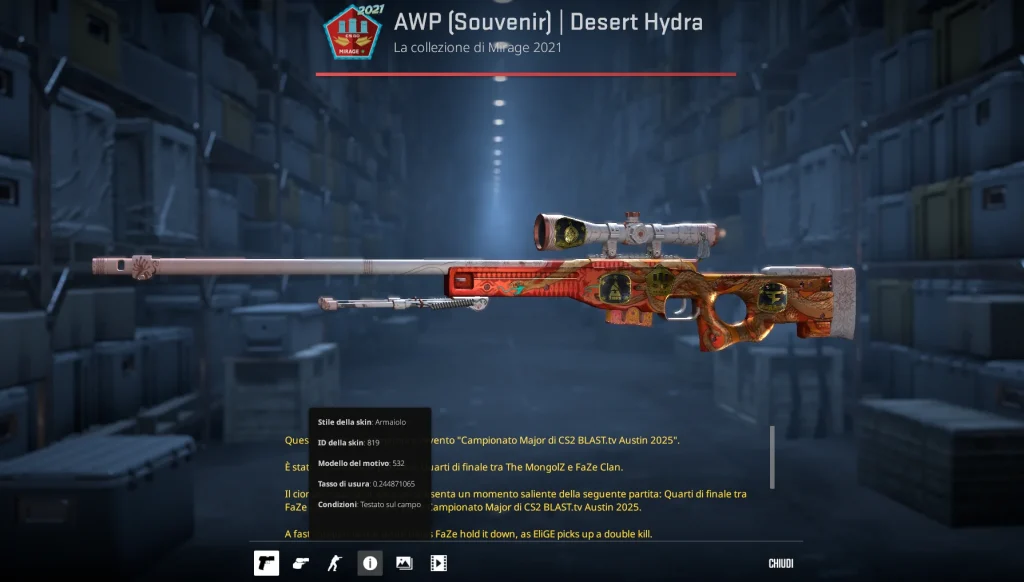
Below are the core methods, from guaranteed purchases to pure luck.
1) Opening Cases
This is still the classic: get a case, open it, see what pops out. In 2025 Valve modified the experience (see the “Genesis” system below), but the core idea — random rewards — remains. Case opening is gambling by design: you can land an absolute banger or a $0.50 skin.
2) Buying on the Steam Community Market
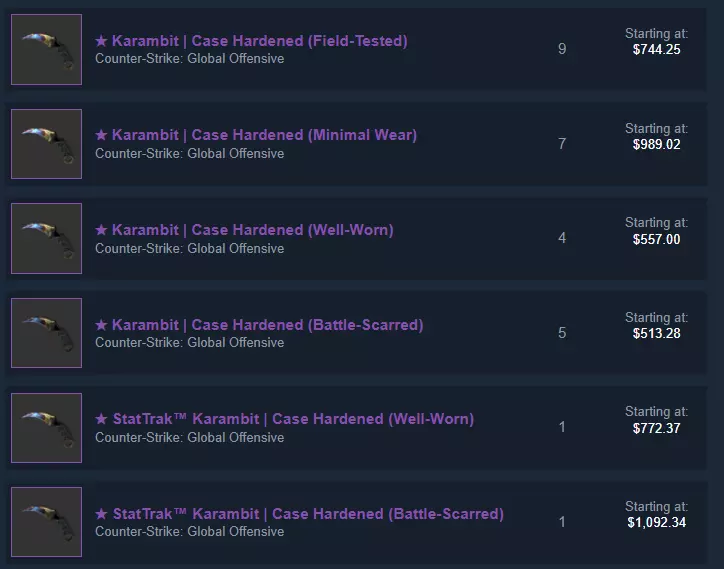
Pay cash (via Steam Wallet) and buy what you want. No RNG, immediate ownership, and the safest route if you want a specific look. Prices vary wildly depending on demand, float, StatTrak, and rarity.
3) Trading with Players
Swap skins directly. This can get you bargains or rare pickups if you know what you’re doing — but it’s where scams are common, so caution is essential. Steam’s built-in trade system plus auth protections help reduce risk.
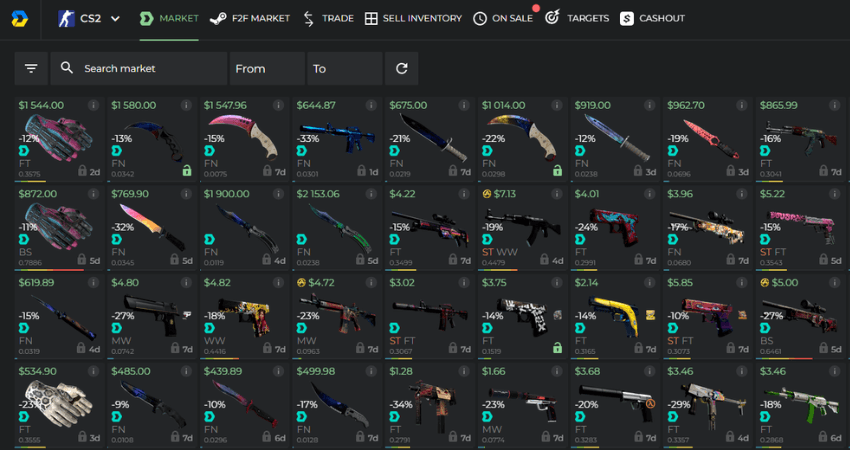
4) Third-Party Marketplaces
Sites outside Steam often let you buy/sell at lower fees and even cash out to real money. They’re convenient but require vetting — not all marketplaces are equal. See the safety section for recommended practices.
5) Free & Promotional Routes
Playtime drops (random, usually low value), streamer giveaways, community events, and tournament drops — these can land you free skins if luck is on your side. Keep an eye on pro events and official drops to not miss these windows.
Deep Dive: Case Opening — Odds, Costs, Strategy

How case odds work
You win the lottery by chance. Valve’s rarity tiers are familiar: Mil-Spec (blue), Restricted (purple), Classified (pink), Covert (red), and Rare Special Items (gold — knives, gloves, special items). Typical odds haven’t changed much: roughly ~80% Mil-Spec, ~16% Restricted, ~3% Classified, ~0.6% Covert, ~0.2–0.3% for rare special/knife odds, depending on the case. That means knives are always a long shot, no matter the hype.
The 2025 case system changes
In mid-2025 Valve experimented and rolled out new mechanics (for example, systems like the Genesis Uplink Terminal) that change how unsealing and purchasing offers work: you may be able to unseal a case for free then receive time-limited purchase offers for specific skins rather than a single RNG wheel; community reaction has been mixed because it shifts risk and urgency to the buyer. That matters because “opening” isn’t always the same as “paying the key” anymore — sometimes you face an immediate offer to buy the skin at listed price. Keep an eye on official Valve notes and community coverage whenever a case series drops.
Costs and ROI
Keys/transactions are where the math hits you. Historically, keys cost a couple dollars and cases vary; combined, the expected loss per case-open (on average) is negative unless you’re extremely lucky or playing ROI-optimized arbitrage with bulk sales. If you’re opening for fun, budget a limit. If you’re opening for profit — you’re gambling.
Smart case-opening strategies
- Set a hard budget and stick to it.
- Don’t chase losses — if you blew the budget, walk away.
- If you’re hunting a particular skin, consider buying it directly instead of opening 200 cases hoping to roll it.
- Track float-values — a Factory New or minimal-wear of the same skin can be worth drastically more. Use price trackers before you gamble.
Buying & Selling: Steam Market + Price Tips
How to read float, StatTrak & exterior grades
- Float: A number 0–1 showing how “pristine” a skin is (closer to 0 = better for many finishes). Two identical skin names with different floats can differ hugely in price.
- StatTrak: Adds a kill counter and usually commands a premium (sometimes big).
- Exterior: Factory New, Minimal Wear, Field-Tested, Well-Worn, Battle-Scarred — these map to float bands but are easier to read at a glance.
Before buying, click the item, check float, inspect image, and compare market listings. If it’s expensive, don’t buy from a random trade screenshot — use Steam’s official inventory/trade window.
Market timing & tracking
Prices move with meta (weapon popularity), streamers, events, and supply. Use price aggregators to watch trends. If you flip skins, buy low and list high — be patient; patience is often the difference between a profit and a loss.
Trading: Safe Practices & Platforms
Steam trade etiquette & protections
- Always use the Steam trade window — it shows exactly what you’re swapping.
- Verify items: hover, inspect in the trade window, and confirm float/stattrak.
- Use Steam Guard Mobile Authenticator: without it, Steam will place holds on items sent away from your account. This dramatically reduces account takeover risks.
Trade Protection & reversible trades
Valve/Steam added a Trade Protection feature (2025) that allows reversing trades made within the last seven days in certain cases of fraud/compromise. That’s a security win but not a license to be reckless — reversed trades carry penalties like 30-day trading restrictions. Useful if a compromise happens, but don’t rely on it as your primary safety net.
Trusted trade venues
- Steam trades (built in) — safest platform to exchange.
- Reputable community trade sites: many communities use services to find counterparties, but always move the trade to Steam’s official window.
Third-Party Marketplaces: Pros, Cons & How to Stay Safe
Why use them?
Third-party sites (marketplaces that let you buy/sell for real money) often have lower fees and better cash-out options than Steam. For sellers who want fiat, these platforms are tempting.
Risks
- Account/login phishing pages.
- Bots that impersonate support.
- Grey-market disputes (no Valve guarantee).
How to vet a marketplace
- Search community feedback (Reddit, Discords).
- Use the site’s payment proof and withdrawal reviews.
- Avoid one-off or brand-new marketplaces for big trades.
Free Routes: Drops, Giveaways, Events, Esports
In-game drops
You can still receive random drops just by playing or by linking accounts during events — albeit usually low-value. Set your expectations to “small wins.”
Streamer & community giveaways
Streamers, content creators, and Discord servers often give skins away. Tip: follow creators during big events; some giveaways are tied to viewership windows or simple chat commands.
Tournament & viewer drops
Major tournament organizers sometimes distribute exclusive drop capsules to viewers who link accounts and watch via official channels. These drops can include limited or event-themed items — watch the event pages and official tournament announcements for drop windows.
Which Skins Hold Value? Investment Tips

Which ones typically hold or grow in value
- Classic knives and certain Fade/Doppler patterns
- Limited-run event skins or those tied to pro events
- StatTrak versions of high-demand cosmetics
- Skins with low float and sought-after patterns can spike. Historically, certain knives and rare case items have appreciated meaningfully.
Investment rules (short & long term)
- Do your homework — collectible markets are speculative.
- Focus on scarcity — limited editions and discontinued runs matter.
- Don’t invest money you can’t afford to hold — liquidity can dry up.
- Diversify — don’t bet everything on one pattern.
Avoiding Scams & Protecting Your Account
Common scam tactics
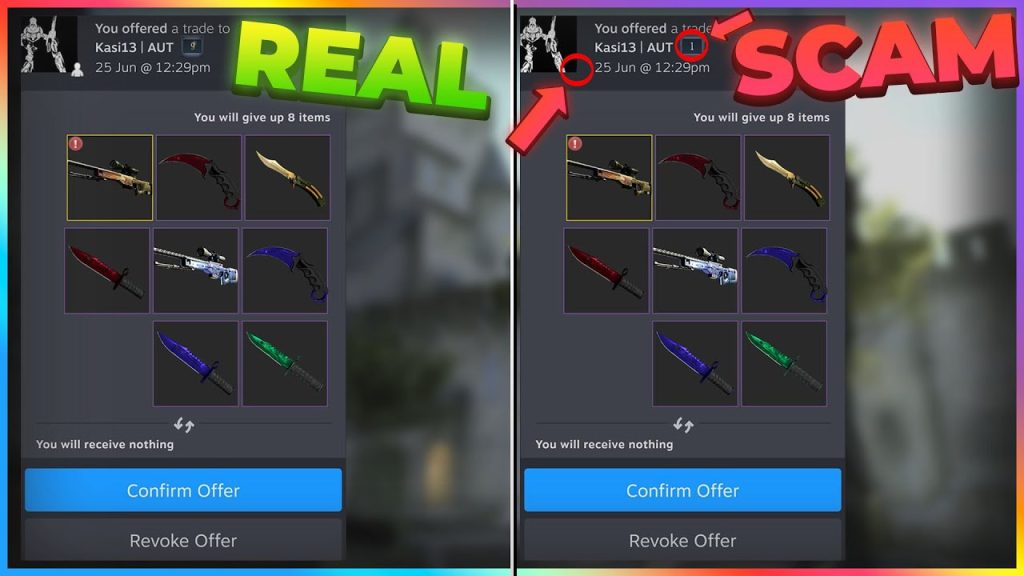
- Middle-man offers (avoid them unless it’s an official, verifiable service).
- Fake “bot” trades mimicking known services.
- Phishing — fake Steam login pages, fake support DMs.
- Screenshot deception — screenshots can be faked; the trade window is the truth.
How to protect yourself
- Enable Steam Guard Mobile Authenticator — mandatory for faster, safer trades.
- Never enter your Steam credentials on suspicious sites.
- Always confirm trades in Steam’s official window.
- Use Trade Protection features and report suspicious activity immediately.
2025 Trends & What’s Coming Next
A few big trends to watch in 2025:
- Monetization experiments: Valve is experimenting with different case/unseal mechanics that shift how users buy-to-keep (e.g., offer-style unsealing).
- Prices for rare knives remain high while lower-tier skins remain affordable — the “rare + desirable” combo keeps valuations high.
- Security features keep improving (trade reversal windows, stronger auth) — use them; they reduce risk for everyone.
Conclusion
Getting skins in CS2 in 2025 is a mix of strategy, budget discipline, and knowing where to look. Want a guaranteed look? Buy on the Steam Market. Want the thrill? Crack cases (but only with a budget). Want cheap bargains or fiat cashouts? Vet and use reputable third-party marketplaces. Most importantly: protect your account with Steam Guard, be skeptical of “too good to be true” offers, and track prices before you spend.
Skins are fun, social, and sometimes profitable — but the market is not a get-rich-quick scheme. Treat it like a hobby with the occasional speculative play, and you’ll enjoy it without regretting it.
Frequently Asked Questions (FAQs)
1. Are CS2 case odds public?
Valve doesn’t publish every container’s exact table, but community trackers and analysis show typical rarity distributions (mil-spec to knife odds) and you can find odds breakdowns and ROI analysis on community sites.
2. Is buying skins from third-party sites safe?
It can be — if you use established, reputable marketplaces and follow best practices (no direct credential sharing, check reviews, use two-factor authentication). Avoid brand-new or unreviewed sites for big purchases.
3. How do I make sure I don’t lose a big trade to a scam?
Always use Steam’s trade window, enable Steam Guard Mobile Authenticator, verify every item in the trade, and use platforms with clear policies if you’re using a middle service.
4. Can I make money flipping CS2 skins in 2025?
Yes — some people flip skins successfully by buying low and selling high using market trackers, but it requires time, research, and risk tolerance. Don’t expect guaranteed profits.
5. What should I do if my account is compromised and I lost skins?
Immediately change your password, revoke third-party access, contact Steam Support, and use Steam’s Trade Protection tools if applicable to try reversing fraudulent trades. Keep records and be ready for delays.