Discover how CS2 rounds end with expert insights into timeouts, bomb defusals, and saves. Learn strategies, timing mechanics, and pro tips to master round management in Counter-Strike 2.

Counter-Strike 2 (CS2) is more than just a first-person shooter—it’s a mental chess match disguised as a tactical warzone. Every round has an objective, and understanding those objectives is key to winning the game. Whether you’re playing as a Terrorist (T) or Counter-Terrorist (CT), your ultimate goal isn’t just to get kills—it’s to complete your side’s mission. For Terrorists, that means planting the bomb or eliminating the CTs. For Counter-Terrorists, that means defusing the bomb if it’s planted or preventing the bomb from being planted by holding the sites and eliminating the opposing team.
But what’s more fascinating about CS2 isn’t just the action—it’s the way each round can end. Some rounds are fast-paced shootouts. Others drag on until the final second, hinging on a clutch defuse or a perfectly timed save. The different ways a round can end—timeouts, bomb defusals, saves, eliminations—each carry unique tactical and emotional weight. If you want to master CS2, knowing how these endings work isn’t optional—it’s essential.
And it’s not just about mechanics. Round endings impact your economy, your team’s momentum, and even your psychological edge over the opponent. That’s why this guide dives deep into the anatomy of CS2 round endings.
Why Understanding Round Endings Is Crucial for Strategy
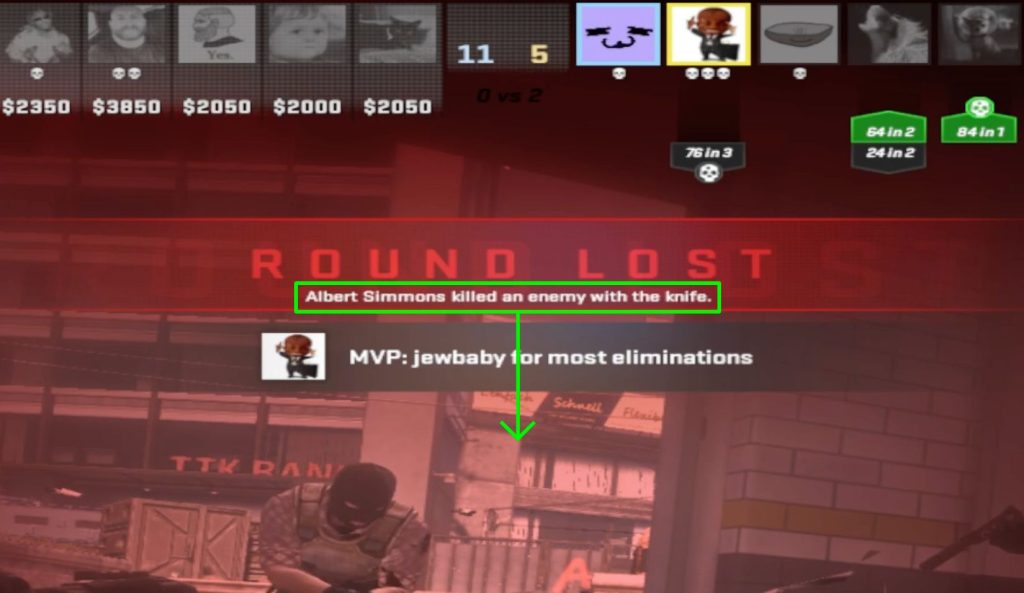
You might think, “If I just shoot better, I’ll win more.” But ask any seasoned player or pro, and they’ll tell you—strategy beats raw aim every time. And a huge part of strategy revolves around understanding round outcomes. Every decision you make—whether to rush a site, save your gun, or push for a late defuse—is influenced by your awareness of the round timer and the risks versus rewards of different end scenarios.
A good IGL (in-game leader) knows how to manipulate round endings to their advantage. A clutch player understands how long it takes to plant, defuse, rotate, or run. And a disciplined rifler knows when to save rather than chase a low-probability kill. These split-second decisions come from understanding how rounds end, and mastering them can mean the difference between a narrow loss and a tournament win.
So let’s break down the most common and impactful types of round endings: timeouts, bomb defusals, and saves—and understand how they shape every match of CS2.
Timeout Round Endings
What Is a Timeout in CS2?

Timeouts in CS2 are more than just the absence of action—they’re rounds that expire because the attacking side (usually the Terrorists) runs out of time. Each standard round in CS2 lasts 1 minute and 55 seconds, and that clock starts ticking the moment the round begins. If the bomb isn’t planted and both teams still have players alive when the clock hits zero, the Counter-Terrorists automatically win.
This rule makes perfect sense from a tactical standpoint. It forces the Terrorist side to commit to a plan. They can’t just sit and wait forever—they need to take the initiative. For CTs, the time pressure works in their favor; they can delay, rotate, and stall just long enough to force a timeout.
Timeout endings are often the result of either hesitation, poor communication, or successful delaying tactics from the defending team. Whether it’s smokes, molotovs, or just smart positioning, CTs can burn down the clock and steal a round without even firing a shot.
Time Limits for Each Side
Here’s a quick breakdown of the relevant timers in CS2:
- Round Start Timer: 1:55
- Bomb Plant Timer: 40 seconds after the bomb is planted
- Defuse Time (with kit): 5 seconds
- Defuse Time (no kit): 10 seconds
Timeout round endings only occur before the bomb is planted. Once the bomb is down, the round can’t end in a timeout—it will end in either an explosion, defusal, or elimination.
Common Scenarios Leading to Timeouts
- Late Rotations: The Terrorists spend too long probing or lurking, leaving them without enough time to reach and plant.
- Hesitation on Entry: Teams line up for a site take but don’t execute quickly, losing precious seconds.
- Strong Utility Usage by CTs: Smokes, molotovs, and flashbangs delay entries and punish indecision.
- Failed Fakes: T-side executes a fake and rotates, but runs out of time mid-transition.
Timeouts might seem like boring round endings, but they’re deeply strategic. Some CT sides intentionally play for time, knowing they don’t have to frag out if they can just run down the clock.
Strategic Use of Timeouts by Teams
In pro matches, some teams intentionally force timeout endings as part of their game plan. This usually involves anchoring sites with strong utility setups and minimal movement, burning through the Terrorists’ execute timer.
On the flip side, high-level Terrorist teams try to force the CTs to waste utility early, baiting out mollies and smokes so they can strike when the site is dry.
Time control is a mind game—one that requires nerves of steel. Some rounds hinge on whether a player checks the clock at the right second or loses track entirely. In CS2, timing isn’t just everything—it’s the difference between glory and defeat.
Bomb Defusal Round Endings
Planting the Bomb – The Turning Point

Once the Terrorists successfully plant the bomb in CS2, the entire dynamic of the round changes. The round timer is no longer the 1:55 countdown—it shifts to a 40-second bomb timer, which now becomes the final ticking clock for the Counter-Terrorists to respond. This moment—when the bomb is planted—is often the defining turning point in any given round.
Planting the bomb does two major things:
- Changes the round win condition: The CTs now must defuse the bomb to win; eliminating all Ts isn’t enough unless the defuse happens afterward.
- Forces map control shifts: The Terrorists now play defense, setting up post-plant positions. The CTs are now on the offense, forced to retake the site.
This role reversal makes post-plant scenarios some of the most intense, high-skill moments in the game. From strategic smokes and crossfires to fakes and counter-plays, bomb defusal rounds showcase the strategic depth of CS2.
Timer Mechanics After Bomb Plant
Once the bomb is planted, there’s a precise countdown:
- 40 seconds until the bomb explodes.
- If a CT begins to defuse without a kit, it takes 10 full seconds.
- If the CT has a defuse kit, it takes only 5 seconds.
This time window is critical. Every second counts, and delaying tactics become the name of the game. Ts use molotovs to delay defuses, set up after-plant crossfires, and try to bait peeks. Meanwhile, CTs need to balance urgency with caution. Pushing too fast can get them picked off; waiting too long can cost them the round.
Counter-Terrorist Defusal Tactics
CTs have several tools in their defusal arsenal:
- Utility Usage: Flashbangs to blind enemies, smokes to cover the bomb, and molotovs to flush out hiding Ts.
- Defusal Kits: Carrying at least one is critical. Pro teams often prioritize this buy—even over armor—because of the five-second time save.
- Fake Defuses: Tapping the bomb without holding the defuse key to bait out enemy players.
- Double Defuse Cover: One player defuses while the other covers from different angles.
Every second after the plant is a game of mental warfare. CTs are gambling on whether they can survive long enough to complete the defuse, while Ts are gambling on whether to peek or play passive.
Key Strategies for Successful Defusals
Winning a defuse round is about more than just killing enemies. It’s about planning, communication, and perfect timing. Here are some golden rules:
- Clear angles before defusing: Don’t rush onto the bombsite without checking corners—many Ts hide close just to catch you defusing.
- Trade kills effectively: Don’t peek alone. Try to move in pairs so you can refrag if needed.
- Always keep an eye on the clock: It’s easy to get tunnel vision in a gunfight. Knowing you have only 10 seconds left can make or break the round.
At the highest levels, a bomb defusal isn’t just a mechanical move—it’s an orchestrated team maneuver, and it’s one of the most thrilling types of round endings in CS2.
Saving Weapons – When Rounds Are Sacrificed
What Is a Save Round?
Sometimes, winning the round just isn’t possible. Maybe the bomb has already exploded. Maybe you’re outnumbered 1v4, low HP, and on the other side of the map. Whatever the case, in these moments, CS2 players make a smart decision: they save their weapon for the next round.
A “save round” is when a player intentionally avoids fighting and instead hides or retreats, ensuring they carry their weapon, armor, and utility into the next round. This isn’t about being a coward—it’s about resource management and long-term planning.
In a game where buying a full loadout can cost over $5,000, preserving a rifle or AWP can make a huge economic difference for your team.
Why Players Choose to Save Instead of Fight
Saving is all about risk vs. reward:
- Low odds of winning the round: If you’re in a 1v3 or worse situation, your chances of clutching are minimal—saving becomes the smarter play.
- Valuable equipment: Got an AWP with armor and a defuse kit? Dying means losing $6,000+ in gear.
- Economic planning: Saving a weapon can allow your team to afford a full buy next round instead of being forced into pistols or half-buys.
- Lack of time: Sometimes you physically don’t have enough time to reach the bombsite or defuse.
Players who master the art of saving end up being more useful in the long run than those who throw their lives away chasing impossible clutches.
Economic Impact of Saving
Economy is everything in CS2. Let’s say you save an M4 and armor:
- That’s ~$3,100 saved in one player’s inventory.
- Your team can shift from a full eco to a “hero rifle” round where you build strategy around the saved gun.
- If two or more players save, your next round becomes a potential full-buy round without needing a full reset.
Saving can also force the enemy team to spend more hunting you down, risking their guns and utility in the process. Sometimes, simply staying alive can cause economic disruption for the enemy.
Tactical Saving: Holding Angles and Escaping
Good players don’t just hide in spawn and hope for the best. They find safe, predictable angles, or escape routes with good cover and exit potential. Ideal saving tactics include:
- Rotating away early: If the bomb is down on B and you’re on A, start saving early instead of running in for a suicide mission.
- Find a safe corner: Tucked-away positions like pit on Inferno or jungle on Mirage can give you time to react to hunters.
- Don’t overpeek: The goal is survival, not frags. Only fight if you have no choice.
Saving may not be as glamorous as a flashy AWP flick, but it’s one of the smartest moves a disciplined CS2 player can make.
Other Common Round Endings in CS2
Elimination Wins
This is the most straightforward round ending: one team eliminates the entire opposing team. No bomb, no timers—just pure fragging. Elimination wins happen when:
- The CTs kill all Ts before they plant the bomb.
- The Ts kill all CTs after planting the bomb (or even before).
- One team aggressively hunts and clears the other without focusing on objectives.
These rounds are often fast and bloody. But while satisfying, elimination wins can sometimes be risky if they come at the cost of over-aggression.
Bomb Explosions
If the bomb is planted and not defused within 40 seconds, it explodes—ending the round in a T-side victory. Bomb explosions can be used strategically. Ts don’t always need to kill the CTs; they just need to stall them long enough.
Savvy Terrorist teams will plant for long angles, set up crossfires, and force CTs to walk into traps. Even a single molotov can waste 7 valuable seconds near the end of the bomb timer.
Explosion wins are also economic goldmines—every surviving T keeps their gear and earns cash from the win.
Overtime and Sudden Death Rules
If both teams hit the score cap (typically 15-15 in standard matchmaking), the game enters overtime. Overtime rules vary by tournament and server settings, but they often include:
- Shortened halves (usually 3 rounds per side).
- Fixed starting money (like $10,000 or $16,000).
- Sudden death if still tied after multiple OTs.
Sudden death creates high-pressure scenarios where every round ending counts more than ever. This is where strategy, saving, and smart plays matter most.
Time Management in Competitive CS2
Role of the IGL (In-Game Leader) in Time Management
In professional and high-tier competitive CS2, the IGL (In-Game Leader) is essentially the brain of the operation. Beyond calling strategies, executes, and defensive setups, one of their most critical responsibilities is managing the clock. Why? Because timing dictates flow, and flow dictates success.
An effective IGL uses the clock not as an enemy but as a tool—dragging rounds into late timings to force panic, rushing early to disrupt expectations, or using mid-round pauses to bait out enemy utility. Here are a few time-control strategies IGLs often use:
- Delayed Executes: Letting the clock bleed to 30 seconds or less before hitting a bombsite to catch CTs off-guard.
- Early Map Control: Rushing mid or taking early control of apartments or banana to establish dominance.
- Mid-Round Calling: Adjusting strategies based on enemy rotations, kill trades, or noise cues, often around the 1:00–0:45 mark.
- Late Saves: Calling off a failed take at 0:20 to ensure weapons are saved instead of wasted.
Clock awareness is the pulse of the round, and a good IGL is a heartbeat monitor. They constantly keep track of time left, what’s been used, and what actions must be taken to win. It’s a skill that takes thousands of hours to master but separates average teams from tournament contenders.
Time Awareness and Team Communication
Even if you’re not the IGL, understanding and communicating time status is vital. You don’t want your team to realize with 10 seconds left that the bomb’s still in spawn or you have no time to rotate. These little mistakes—entirely based on time mismanagement—can lose rounds instantly.
Here’s how great teams handle time:
- Constant updates: “45 seconds, we need to start moving.” “We have time to fake B then rotate A.”
- Clear roles: One person focuses on utility, another checks the bomb, another calls timings.
- Utility awareness: Knowing that a single CT molotov can delay a push by 7 seconds can help you pre-plan around it.
When every player is aware of the clock and works in sync, it becomes incredibly hard to stop their attack—or their defense. In CS2, time is truly the sixth man on your team.
Economic Impact of Different Round Endings
How Each Outcome Affects the Team’s Economy
Understanding how each round ending affects your team’s finances is vital to CS2 success. A single lost round can snowball into a full economic collapse if you’re not careful. Let’s break it down:
- Timeout Loss (CT Win): If the Ts die or time runs out before planting, CTs win and earn the round reward. The Ts earn no bomb plant bonus—meaning very little cash in return.
- Bomb Plant but Loss: If the Ts plant but lose the round, they still receive a bomb plant bonus, which is helpful even if the round isn’t won.
- Bomb Explosion Win (T Win): Ts earn a full round win bonus, and surviving players keep their gear—plus the CTs are likely forced to rebuy.
- Defuse Win (CT Win): CTs earn the round bonus, and often lose minimal players if the post-plant defense is broken quickly.
- Save Round: Players who save keep their weapons, which helps offset a low-economy round. But saved weapons are high risk—if lost early in the next round, the economic setback is even worse.
CS2’s economy is punishing. Poor management results in eco rounds, where teams are forced to use pistols against full buys. Smart players constantly ask themselves: “Is this gun worth saving?” “Can we afford to force-buy?” “Do we need to eco next?”
Buy Rounds, Eco Rounds, and Force Buys
Here’s a quick breakdown of round types based on economy:
- Buy Round: Full equipment—rifles, armor, utility, kits. These rounds are the most important to win.
- Eco Round: Pistol-only or minimal investment. These rounds are often “throwaways” meant to build loss bonus and reset the economy.
- Force Buy: Spending all your cash despite being short of a full buy. High-risk, high-reward rounds meant to catch the enemy off guard.
The type of round ending directly affects your next round plan. For example:
- Losing a round with no bomb plant = likely eco.
- Losing with a bomb plant = maybe a force buy.
- Winning with survivors = good economy, can build bank.
Top players don’t just shoot well—they manage their money like pros.
Psychology Behind Round End Decisions
Fear of Losing Equipment
At higher levels of play, there’s an immense psychological layer to round endings—especially around weapon preservation. Players develop an almost emotional attachment to an AWP or an M4 with full utility. That gear might mean the difference between dominating a site or getting wiped next round.
This fear of loss often influences decisions like:
- Hesitating to rotate late in a round.
- Not peeking bomb when time is low.
- Choosing to save even in a winnable 1v2.
While sometimes logical, fear-based decisions can lead to missed opportunities. Great players find the balance between boldness and restraint.
Playing the Long Game – Risk vs. Reward
CS2 is often a game of chess. You might lose the battle (a round), but win the war (the map). Smart teams think five rounds ahead:
- Should we sacrifice this round to keep our guns and break their economy next round?
- Should we push aggressively to deny a bomb plant and reset their loss bonus?
- Should we hunt saving enemies to ruin their economy?
These decisions aren’t made lightly. They’re based on math, psychology, and experience. Pro teams scout their opponents, understand their tendencies, and manipulate them through round-end decisions.
Remember: sometimes the best play is no play at all. And that’s something many newer players don’t understand until much later.
Famous CS2 Rounds and How They Ended
Historic Saves in Tournaments
Who could forget the time s1mple saved his AWP with 3 HP and turned it into a 4K round win next round? Or when dev1ce ran across Mirage to preserve his M4, only to use it for a critical site hold the following round?
Saving isn’t just tactical—it’s legendary. Fans remember these moments because they defy the usual kill-focused narrative. These decisions win trophies, not just rounds.
Iconic Bomb Defusals Under Pressure
There are countless clips of last-second defusals. The timer hits 1.0. The bomb is ticking. Everyone’s on edge. Suddenly—BOOM—a 5-second ninja defuse under smoke. The crowd erupts.
One of the most famous examples was GuardiaN’s smoke defuse at IEM Katowice. In a 1v3 situation, he snuck onto the bomb, tapped once, then stuck it—his calmness won them the map.
High-Stakes Timeouts That Changed the Game
Sometimes, it’s not about what happens—but what doesn’t. A team waits. The clock ticks. Then suddenly, nothing. The round ends with a timeout.
The crowd is confused, casters stunned. But then it clicks: it was a strategic timeout—a calculated mental pressure play. The other team becomes paranoid, second-guessing every next move.
Moments like these prove that CS2 is more than bullets—it’s psychological warfare.
Pro Tips for New Players on Round Management
When to Push and When to Pull Back
One of the most important things new players must learn is knowing when to go for it—and when to let go. CS2 is full of tense moments: 1v2 clutches, 20 seconds on the clock, smoke on the bomb, you’re alone. What do you do?
Here’s how you can think it through:
- If you’re low HP and outnumbered (especially without utility), pulling back to save might be the best move. No shame in living to fight another round.
- If the bomb is planted and time is too low, don’t rush in hoping for a miracle. You’ll likely just donate your gear.
- If you’re near the bombsite and it’s a 1v1, you should consider going for the clutch—especially if you have utility or a kit.
And always ask yourself: “What’s the economic state of my team?” If you’re the last one alive and your team is broke, your survival might matter more than a low-chance 1vX attempt.
Communication and Role Play in Clutch Moments
Great CS2 players don’t play solo—they communicate with precision. When it’s down to the wire, talking becomes the lifeline:
- “Bomb’s planted for short.”
- “I don’t have a kit.”
- “Saving—don’t peek.”
If you’re the last one alive, ask your teammates what they see on the minimap. Dead players have a top-down view and can call positions, time, and suggestions. Clutching is a team effort, even when you’re the only one with a gun.
Also, understand your role. A support player shouldn’t take the AWP and try to 1v3 unless it’s necessary. Roles help determine who should go for risky plays and who should anchor a round with a save.
Bottom line? Round management isn’t only about skill—it’s about awareness, discipline, and communication.
Watching Pro Play to Learn Round End Patterns
Analyzing Pro Tournaments
Want to learn how the best players handle round endings? Watch tournaments. ESL, BLAST, and Major events provide top-tier gameplay, and each round is a lesson in clock management, economic awareness, and clutch timing.
Notice how teams:
- Commit to executes with 25–35 seconds left.
- Always ensure someone saves valuable gear in losing rounds.
- Use fake defuses and smoke pressure in post-plant scenarios.
Watch teams like FaZe, NAVI, G2, and Vitality and observe how they use utility, timeouts, and saves in crucial moments. You’ll start to pick up patterns and incorporate them into your own gameplay.
Lessons from Pro Streamers and Analysts
Sometimes, tournament matches are too fast-paced to catch every detail. That’s where pro streamers and analysts come in. Streamers like s1mple, dev1ce, ropz, or cadiaN often break down their decision-making live. Watch how they decide when to fight or fall back.
Meanwhile, analysts and content creators offer:
- Post-match breakdowns.
- Tactical map reviews.
- Economy-based round analysis.
It’s like watching a chess grandmaster explain each move. You’ll come away understanding why a round ended the way it did—not just how.
Round End Signals and Sound Cues
Recognizing Audio Cues for Bombs and Timeouts
In CS2, your ears are just as important as your aim. Audio cues often signal round-ending moments before you even see them.
Listen for:
- Beep frequency: As the bomb timer gets close to exploding, the beeping speeds up. This tells you how much time is left.
- Defuse sound: A short, sharp click—different depending on whether it’s a 5s kit or a 10s no-kit defuse.
- Bomb plant sound: You’ll hear a distinct click when a T plants the bomb. That’s your cue to rotate.
- Timeout chime: A soft bell rings when time runs out and CTs win by default.
Learning to recognize and react to these sounds gives you a massive advantage. The best players don’t always need to look—they hear what’s happening and respond instantly.
Using Sound to Your Tactical Advantage
It goes both ways. You can also manipulate sound to fool the enemy:
- Fake plant: Start planting, then stop to bait a peek.
- Fake defuse: Tap the bomb and wait for the enemy to expose themselves.
- Noise bait: Throw utility or make steps to draw attention while your teammate flanks.
Mastering these tricks allows you to control how a round ends without even firing a shot. It’s sound warfare—and it wins games.
Advanced Strategies Based on Round End Types
Baiting for a Save
If you know the enemy is saving, you can set up hunter squads—pairs or trios that fan out across the map to find and eliminate saving players. This denies them weapons and forces them to rebuy.
However, don’t overcommit to hunting:
- If you lose a rifle to a saving player, it can flip the economy.
- Use fast weapons like SMGs for the hunt—not AWPs or valuable rifles.
On the flip side, smart savers bait the hunters. They’ll hold tight angles or play off sound to take down overconfident enemies and turn a loss into a win.
Fake Bomb Plants to Force Movement
Fake plants are one of the most underrated strategies in CS2. When used correctly, a fake can:
- Force CTs to peek out of hiding spots.
- Burn their utility early.
- Reveal rotations or pushes.
Pro players often tap the bomb once, then reposition or double-peek. It’s a mind game—one that separates veterans from beginners.
Combined with post-plant smokes, flashes, and proper comms, fake plants are lethal tools for ending a round in your favor.
Round Endings and Their Impact on Match Momentum
Emotional and Mental Shifts After Each Type
How a round ends doesn’t just affect the scoreboard—it impacts the psychology of both teams. Think about it:
- A 1v4 save followed by a full-buy clutch can demoralize the enemy team.
- Losing to a timeout feels like a strategic failure—like you let the round slip away.
- Getting ninja defused when you had a man advantage can tilt a team hard.
Momentum is everything. CS2 is streak-based. Winning three in a row gives you money and confidence. Losing three breaks your spirit and forces ecos.
Smart teams know how to capitalize on emotional swings—pushing harder when the enemy’s shaken or slowing down to reset after a tough loss.
Regaining Control After a Lost Round
Lost a round to a bomb defusal? Don’t panic. Regroup. Look at your economy, reset your mental, and prep the next strategy. Here’s what top players do:
- Call a tactical timeout to break momentum and discuss adjustments.
- Change pace—go fast if you’ve been slow, or vice versa.
- Play for picks instead of full executes to regain control.
Winning CS2 isn’t just about skill—it’s about resilience and adaptation. The best teams lose ugly rounds and still come back to win maps.
Conclusion
Counter-Strike 2 isn’t just about headshots and flashy plays—it’s about how you finish the round. Understanding how rounds end—whether through timeouts, bomb defusals, or strategic saves—is what separates casual players from masters of the game.
Each round is a mini-battle filled with timing, risk, and mental warfare. Learning to read the clock, manage your economy, and make tough calls under pressure will elevate your gameplay tenfold.
So next time you’re deep into a round, ask yourself: Do we fight? Do we save? Or do we wait them out? Your answer could decide the match.
FAQs
What’s the standard time to defuse a bomb in CS2?
It takes 10 seconds without a kit and 5 seconds with a defuse kit. Kits are essential for CTs in post-plant scenarios.
When should I save my weapon instead of fighting?
Save when you’re outnumbered, out of time, or holding valuable gear. It’s smarter to survive and help your team next round than to die needlessly.
Can a timeout be used as a tactical decision?
Yes. Many pro teams use tactical timeouts to reset the pace, disrupt enemy rhythm, and refocus strategy. Timeouts also happen naturally when the round timer expires before a plant.
What’s the difference between a timeout and an elimination round?
A timeout round ends when the T-side runs out of time before planting. An elimination round ends when all players on one team are killed before any objectives are completed.
How do pros decide round-ending strategies on the fly?
Pros base decisions on economy, enemy tendencies, map control, and team comms. A good IGL and solid mid-round calls guide the team’s choices for when to save, push, or delay.