Master CS2 economy basics with our in-depth guide on buy, save, and force rounds. Learn smart money management, full buys, eco strategies, and game-changing tactics to boost your win rate.

Managing your money is just as important as your aim in Counter-Strike 2 (CS2). Unlike many FPS games that reset each round, CS2 has a complex economic system that influences your ability to purchase weapons, armor, and utility. Think of it like chess with bullets—every round, every dollar, and every decision matters.
Whether you’re a newbie or a seasoned player migrating from CS:GO, understanding CS2’s economy is critical to improving your win rate. Smart money management can snowball into round wins, while poor spending can doom your team even before the round starts.
At its core, the CS2 economy rewards you for round performance. Winning earns more than losing, but even losses come with a “consolation prize” in the form of a loss bonus. The trick is knowing how to manipulate this system to your advantage—when to buy, when to save, and when to go all in.
Let’s break down the building blocks of the CS2 economy so you can start playing smarter.
Why Economy Matters in CS2
You can’t win with a Glock against an AK—simple as that. The economy dictates what gear you bring into the battlefield. It’s the invisible hand that shapes the tempo of a match. Good economy control means you always have rifles, armor, and utility when it counts. Bad economy? You’re stuck with pistols and praying for miracles.
Teams with better economy management can afford more firepower and better strategies. Think about utility: smokes to block vision, molotovs to flush out enemies, flashbangs to take control. These cost money. Lose too many rounds early and suddenly you’re playing catch-up, struggling to fund your buys while the enemy snowballs.
Economy isn’t just about cash—it’s about control. The team with better economy often dictates the pace, picks favorable fights, and denies the enemy the tools they need. It’s no surprise that top-tier teams prioritize economic planning as much as shooting skills.
Overview of Money Flow and Round Bonuses
In CS2, every action earns or loses you money:
- Round Win: +$3250 to $3500 depending on the round and objective
- Round Loss: Starts at +$1400, increases up to +$3400 with each consecutive loss
- Bomb Plant (T side): +$800 per player
- Kill Rewards:
- SMGs: $600+
- Rifles: $300
- Pistols: $300–$500
- Knife: $1500
You start each match with $800 (after pistol round). From there, each round’s outcome either builds your economy or drains it. If you lose three rounds in a row, your team gets a higher loss bonus (+$2400, then $2900, etc.). That means even if you’re behind, the game gives you a chance to bounce back if you plan your buys properly.
A well-timed save round can swing the game. Likewise, an unwise force-buy can snowball into an economy collapse. So, let’s dive into the different types of buys and how to use them like a pro.
Understanding the Buy Phase
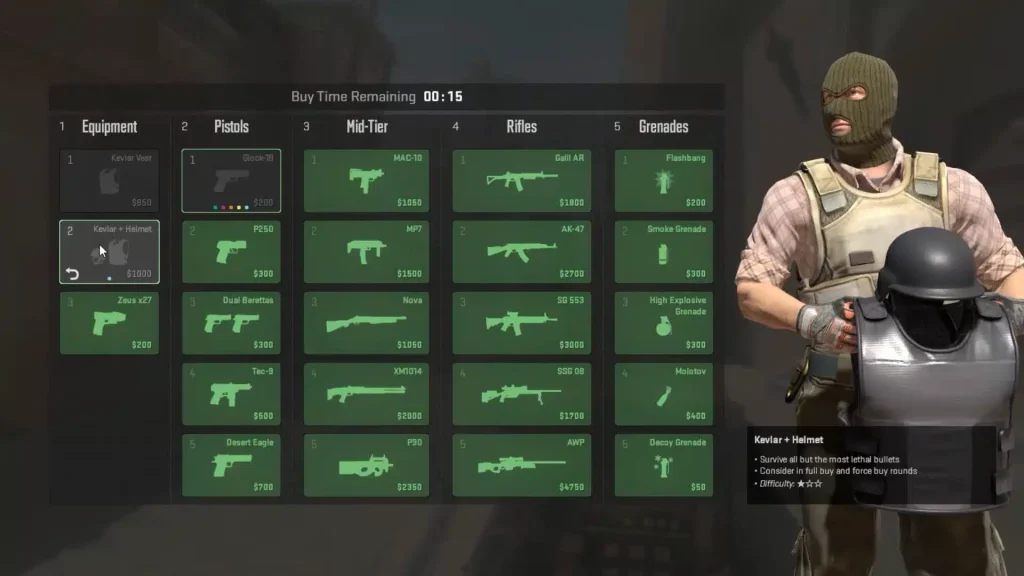
Every round (except pistol), there’s a brief window to purchase weapons and gear—this is the Buy Phase. It’s where economy decisions happen. Some players mindlessly buy what they can afford. Smart players think long-term.
You should always ask yourself:
- Can my team full buy together?
- Do we need utility more than firepower?
- Should we save for the next round?
Buying isn’t just individual—it’s team-based. One player buying an AWP while teammates are broke can lead to uneven fights. That’s why experienced players communicate their buy plans and sync up for maximum impact.
What is the Buy Phase in CS2?
The Buy Phase in CS2 lasts around 15 seconds at the start of each round. During this time, you can:
- Purchase weapons
- Buy armor (Kevlar or Kevlar + Helmet)
- Grab grenades (smokes, flashes, etc.)
- Drop weapons for teammates
- Evaluate the scoreboard and economy
Players should use this time to not only buy, but also strategize. If three teammates can’t afford rifles, it might be smarter for everyone to eco or force-buy together rather than going solo with weak firepower.
Good communication during this short window can decide the round. Use voice or text to say:
- “Full buy this round?”
- “Let’s save one and buy next.”
- “I can drop you an AK.”
Let’s be honest—random buys cause chaos. Structured buys win games.
How to Make Smart Purchase Decisions
Here’s a golden rule in CS2: If your whole team can’t buy, don’t buy.
Smart purchase planning starts with your economy and extends to the team’s overall situation. Here’s how to decide what to do:
- Full Buy: Everyone has $4500+ and can afford a rifle, armor, and at least one grenade.
- Force Buy: Team has $2000–$4000 each; buys pistols, SMGs, and light utility to contest the round.
- Eco Round: Team has <$2000; avoids spending to save for a future full buy.
- Half Buy: Spend a bit—maybe pistols and armor—while still saving for the next round.
Buying is a team game. Don’t be the lone wolf who wastes $4700 on an AWP while the rest of the team is stuck with Glocks. If you’re low on money and your team is saving, save too. If your team wants to force, force with them. Syncing up buys keeps the playing field even and maximizes your round-winning potential.
Full Buy Rounds Explained
When to Go for a Full Buy
A full buy is when your team invests fully in rifles, armor, and utility. It’s the ideal state: well‑equipped, flexible, able to execute set plays or retakes. But when should you commit to it?
- You have the money — By round 3 or 4, if your team has held even one round, you may accumulate enough to full buy.
- Momentum matters — If you’ve just won a round, you want to press the advantage rather than give the enemy a chance to reset.
- To punish an opponent’s eco — If the enemy is low economy, a full buy can exploit their weakness decisively.
- Mid-game reset — Sometimes after a few losses, you might stabilize by full buying to prevent the opponent from snowballing too far.
- Map control necessity — On certain maps or bomb sites, having full utility (smokes, flashes) is essential—so partial buys might be ineffective.
Going full too soon or when your team is weak economically can backfire, so coordinate before you commit.
Best Weapons and Utility in Full Buy Rounds
In a full buy, aim for balance. You want firepower, survival, and tactical tools. Common weapon + utility choices include:
| Role | Preferred Weapon | Armor & Utility |
|---|---|---|
| Entry / Fragger | AK‑47 (T side) / M4A1 (CT side) | Full armor + flashbangs, HE, or molotov |
| Support | Rifle or SMG | Smokes, molotovs, flashbangs to aid entries/retakes |
| AWPer | AWP or SSG | Armor + 1 flash / smoke for repositioning |
| Lurker / Flanker | Rifle or sometimes SMG | Minimal utility; keep some funds for next round |
Utility often wins rounds more than raw firepower. Smokes block vision, flashes blind defenders, molotovs flush corners, and HE grenades chip HP or force movement. In full buy, don’t skimp on 2–3 grenades per player if possible.
The Art of Saving (Eco Rounds)
What is an Eco Round?
An eco round (or economy round) is when you deliberately spend little or no money, hoping to build stronger economy for future rounds. In this mode, most players buy minimal gear—or none at all—to preserve funds.
Characteristics of an eco round:
- Weapons: Pistols (often the default) or cheaper variants
- Armor: Sometimes none or just light
- Utility: Minimal to none
- Playstyle: Conservative, focusing on hiding, surprise kills, or stacking sites
You accept that winning this round is unlikely—but the goal is to not lose harder than necessary, and ensure your next rounds are strong.
When and Why to Save Your Money
Knowing when to eco is a hallmark of strong CS2 players. Consider:
- Low funds across the team — If most teammates have under $1,500, a full buy will be weak; better to save.
- High risk of economic collapse — If a full buy could break your economy permanently, safer to eco.
- Opponent advantage — Playing against full utility and rifles when you’re weak is a losing fight.
- Tactical reset — Use eco rounds to reset the momentum, plan a comeback.
- Bomb plant incentive (T side) — Even in eco, planting the bomb grants bonus money to each player. So one or two kills plus a plant can make the round profitable.
During eco, you don’t want to overextend. Play simple, tight, avoid unnecessary duels, hold angles. If you get one or two kills, that’s a bonus. Just don’t throw away your lives.
Force Buy Rounds Demystified
What is a Force Buy in CS2?
A force buy is in between a full buy and an eco. In a force buy, players invest a moderate amount—buying cheaper weapons (SMGs, pistols, budget rifles), partial utility and armor. The idea is to contest the round, disrupt opponent momentum, or steal a round when they’re not expecting aggression.
You “force” your presence rather than sit passively. It’s gamble: you expect to have weaker gear, but surprise can be your ally.
High‑Risk, High‑Reward: Is It Worth It?
Force buys come with risks and potential rewards:
Pros:
- Can catch the enemy off guard
- Disrupts their economy by forcing trades
- Prevents them from getting a free round
- If successful, you close the gap quickly
Cons:
- If you lose badly, you might cripple your economy further
- You risk giving the opponent too much control
- Limited utility can make execution tough
Key guidelines:
- Force buy when partial funds are available (e.g. $2,500–$4,000)
- Ensure at least 2–3 teammates can join the force
- Don’t attempt a force buy when the enemy is fully stocked
- Focus on surprise—fast push, aggressive angles, smoke usage
Matching your playstyle is essential. If your team is confident on pushes or trades, force buys can yield big returns. For more conservative squads, they’re riskier.
Money Management Fundamentals

Team Economy vs. Individual Economy
In CS2, it’s tempting to think only individually. But true mastery lies in balancing team economy with your personal finances.
- Team economy means synchronizing buys: If one player buys a powerful weapon while others are broke, the team might lose fights because of unbalanced firepower.
- Individual economy decisions: Choosing to save when necessary or spending when beneficial—to support teammates.
Your objective is to avoid “one-man-army” buys if the team is weak. Conversely, if your teammates are saving, sometimes letting one strong player take charge (like an AWPer) makes sense—if they don’t deplete the rest.
Communication is essential: “I can drop you an AK,” “We’re saving this round,” “Force buy with me.” Coordinated economics help prevent chaos.
Avoiding Economy Collapse
An economy collapse—where everyone is broke—can ruin your ability to contest rounds for many rounds. Avoid this trap by:
- Never overbuy — Just because you have $6,000 doesn’t mean buying every gadget. Leave a buffer.
- Don’t chase kills — If a round is lost, don’t force hero plays that waste your money or cause you to die pointlessly.
- Pick forced engagements wisely — Don’t force when you’re weak; choose rounds where success is plausible.
- Fallback to eco early — If the round’s lost, conserve what you can.
- Maintain money for next rounds — Even in full buys, aim to leave a few hundred so you don’t hit zero.
Being pragmatic with your finances keeps your team in the game even when things go south.
Round Loss Bonus Mechanics
How Loss Bonuses Work
In CS2, losing still grants money—this is the loss bonus. It rewards consistency in staying in the match. The bonus increases with each consecutive loss:
- 1st loss: ~$1,400
- 2nd loss: ~$1,900
- 3rd loss: ~$2,400
- 4th and onward: ~$2,900
- Maximum cap (after many consecutive losses): ~$3,400
This means even in losing streaks, you get financial support to rebound.
Additionally:
- Bomb plant (if T side) gives +$800 to each surviving T
- Kill rewards are still active during loss bonus rounds
Thus, combining kills + plant + loss bonus can sometimes make an otherwise bad round somewhat “safe” financially.
Stringing Losses to Your Advantage
Smart teams sometimes accept a few early losses to accumulate a high loss bonus, then unleash a big round buy with full rifles, utility, and utility stacking. Here’s how:
- Accept 2–3 loss rounds — But don’t lose them badly (avoid needless deaths).
- Save minimal — Buy enough to stay relevant but don’t blow your money.
- Explode on round 4–5 — With max bonus, full weapons, utilities, you can overwhelm opponents who under‑invested.
- Mix in a force buy if needed — Use surprise or aggression to break the enemy economy before they stabilize.
Essentially, losses become a strategic tool—not just a handicap.
Pistols, SMGs, and Rifle Rounds
When to Use Pistols and SMGs
Pistols and SMGs aren’t just placeholders until you can afford rifles—they serve critical roles in the CS2 economy system.
Pistols are your default weapons in eco rounds, pistol rounds, and close-quarter combat. Depending on the situation, some popular options include:
- Glock / USP: Starting pistols—free, but weak. Mostly for round one.
- P250 / Five-Seven / Tec-9 / CZ75: Great in force buys or pistol-eco rounds.
- Deagle: Ideal for long-range headshots and clutch scenarios.
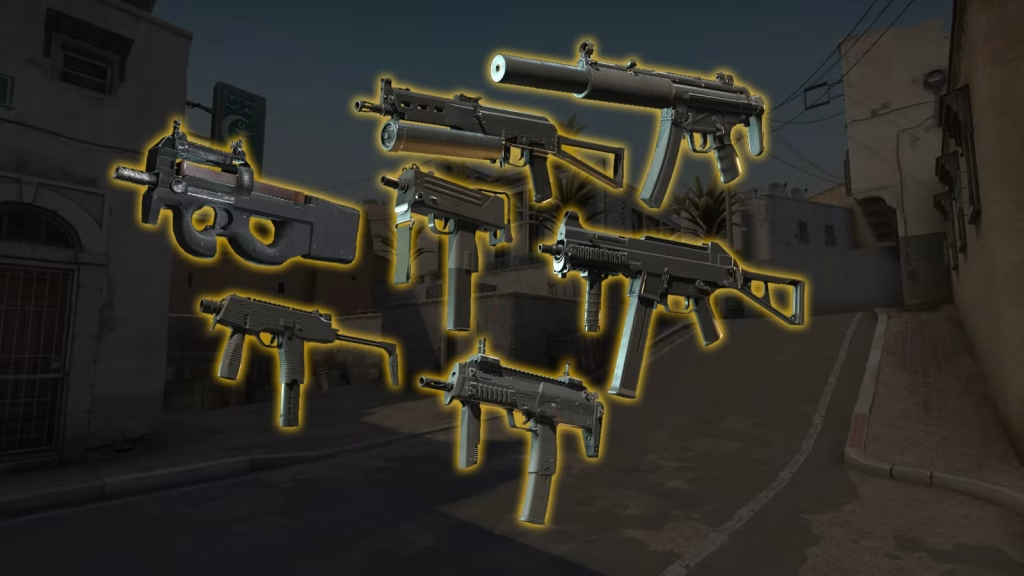
SMGs like the MP9, MAC-10, or UMP-45 offer:
- High kill rewards (+$600 per frag!)
- Fast movement speed
- Viable damage in close combat
Use them:
- After winning the pistol round—great for farming money.
- In anti-eco rounds—where opponents have pistols.
- When your funds are limited, but you want a fighting chance.
Strategy Tip: An MP9 with armor and a flashbang can turn the tide if used aggressively, especially in tight areas like B tunnels on Dust II or apartments in Inferno.
Transitioning to Rifles Strategically
Once you’re rolling in cash, upgrading to rifles is natural—but timing it well matters.
Rifles like the AK-47, M4A1-S, and M4A4 are core to most buy rounds. Their accuracy, damage output, and versatility make them perfect for mid- to long-range fights.
When transitioning:
- Check your opponent’s buy — If they’re still eco or half-buying, SMGs may suffice one more round.
- Ensure full utility — Don’t go rifle-only. Rifles + grenades win games.
- Team coordination — Avoid a situation where one player has a rifle and the rest are under-geared.
- Consider saving old weapons — Sometimes it’s worth keeping an SMG if you expect another anti-eco round.
Remember, the switch from pistols/SMGs to rifles should be team-based and tactical—not just a reflex once you have money.
Strategic Buy Calls for IGLs
Reading the Opponent’s Economy
The in-game leader (IGL) needs to think like a detective. Reading the enemy’s economy gives your team an edge in making smarter buy calls.
How to read their economy:
- Check round history — If the enemy won 2 rounds then lost 1, they may be in a force-buy situation.
- Count kills and bomb plants — If they had low frags and no bomb plant, they’re likely low on cash.
- Weapon tracking — If they saved an AWP or M4 last round, expect a partial buy with strong anchors.
Predictive buying helps you:
- Call for anti-eco strategies (play safe, avoid tight corners).
- Switch to bonus rounds (keep SMGs longer).
- Control the tempo and deny them economic breathing room.
Coordinating Team Buys Effectively
Buying randomly is a disaster waiting to happen. The IGL must coordinate:
- Who buys what — Know who needs a drop, who saves, who buys utility.
- Who carries bomb / utility — Make sure entry fraggers have flashbangs; supports have smokes.
- Staggered investments — If one player has $7000 and others have $2000, better to drop weapons than force a lopsided buy.
The IGL’s job is to manage not just tactics, but the team’s finances like a budget analyst. Get that right, and you’ll often outlast better aimers just by making the right decisions.
Importance of Utility Management
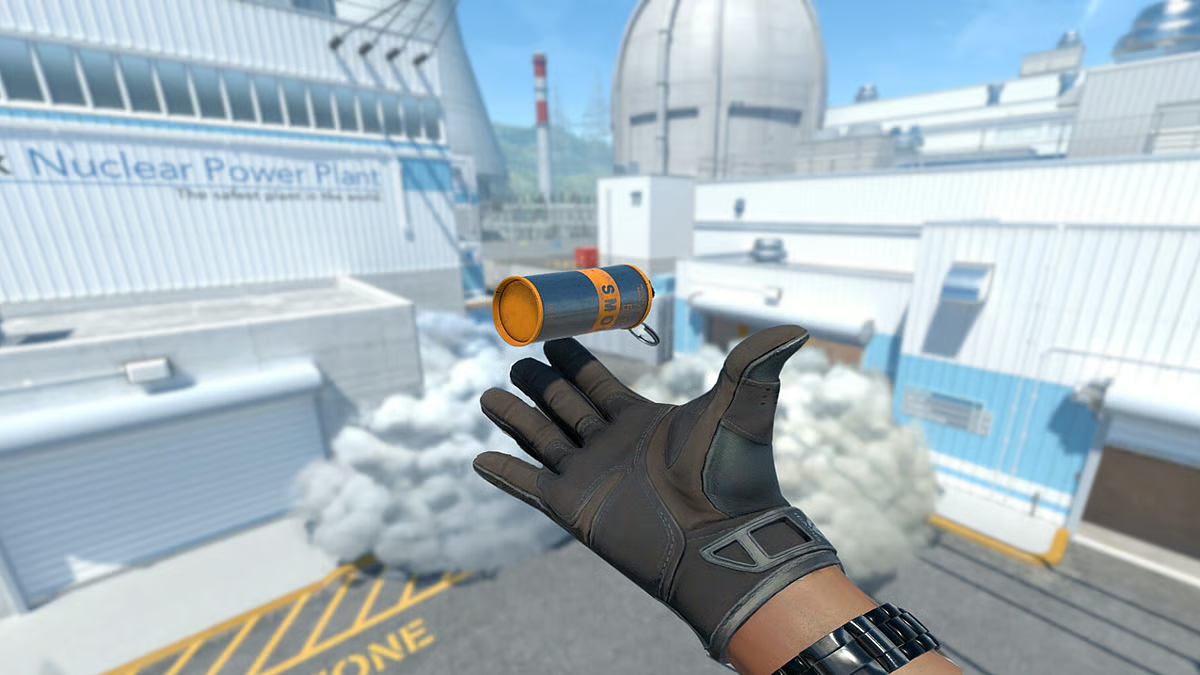
Investing in Grenades vs. Weapons
Many players blow their cash on a shiny AK or AWP and ignore grenades. Big mistake. In CS2, utility often wins more rounds than firepower.
Grenade cost breakdown:
- Smoke Grenade – $300
- Flashbang – $200
- Molotov – $400
- HE Grenade – $300
A proper grenade loadout (~$1000) is worth sacrificing armor upgrades or even an AWP if it means executing a bomb site properly or defending better.
Don’t underestimate:
- A flashbang timed right can blind 2–3 enemies.
- A smoke on CT spawn cuts vision and stops rotations.
- A molotov clears key camping spots and buys time.
Smart Use of Flashbangs, Smokes, and Molotovs
Utility should never be wasted. Learn to:
- Smoke key chokes: CT spawn, ramp, connector, banana.
- Flash before pushing: Even one flash over a roof can win duels.
- Molotov strongholds: Force AWPers off angles, clear cubbies.
Advanced tip: Use counter-utility. Drop a molotov when you hear a push or throw a flash mid-retake to blind defenders.
Utility is your toolkit. And just like a toolbox, the right tool at the right time changes everything.
Eco Frags and Bonus Weapon Carriers
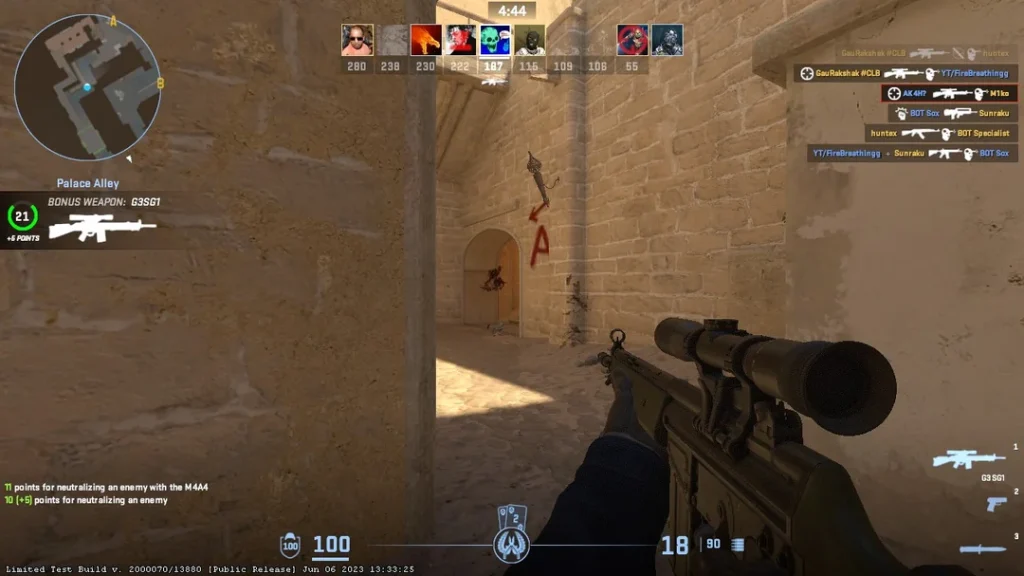
Capitalizing on Bonus Weapon Kills
When you win pistol rounds or anti-eco rounds, don’t rush to upgrade your gear. Why?
Because SMGs and pistols give higher kill rewards:
- MAC-10: $600 per kill
- MP9: $600 per kill
- UMP-45: $600 per kill
- Deagle: $300 per kill
This makes bonus rounds profitable. You continue using SMGs in round 2 or 3 to rack up money—especially against eco’d enemies.
Just play smart:
- Avoid long-range duels.
- Stick together to trade.
- Push as a pack.
SMG and Pistol Kill Rewards
The kill reward mechanics are key:
| Weapon Type | Reward |
|---|---|
| Knife | $1500 |
| SMGs | $600 |
| Pistols | $300–$500 |
| Rifles | $300 |
| AWP | $100 |
Use this to build your team economy fast. A single SMG player can fund a future AWP just by surviving and fragging well in an anti-eco round.
Anti-Eco Strategy and Awareness
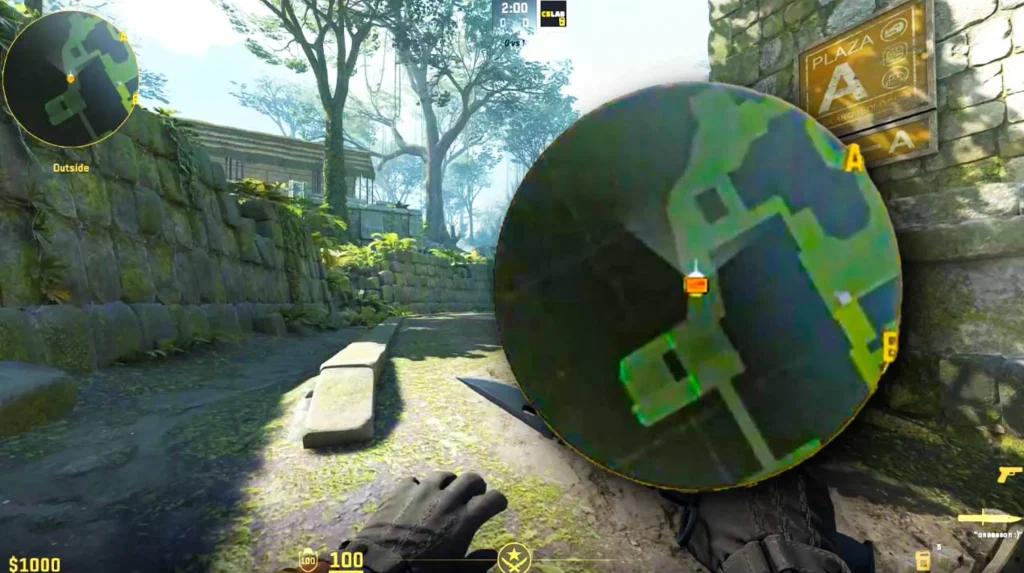
Avoiding Surprises in Eco Rounds
Eco rounds are dangerous if you underestimate your opponent.
You must:
- Check corners religiously — Eco players stack and camp.
- Avoid solo pushes — Easy bait for pistols.
- Use utility early — Flash before entry, smoke tight angles.
- Keep distance — Pistols are deadliest up close.
Most importantly: never assume the round is won just because they have no rifles. Many ecos have been lost due to overconfidence.
How to Exploit a Weak Economy
On the flip side, when the enemy is eco:
- Play slow — Let them push you.
- Farm kills safely — Use SMGs or bonus weapons.
- Gain intel — Figure out if they’re stacking or pushing mid.
The worst thing you can do? Die early and give them your gun. One AK in enemy hands turns an eco into a full buy mid-round.
Smart teams turn opponent eco rounds into economic goldmines for themselves—and avoid giving momentum away.
CS2 vs CS:GO Economy Changes
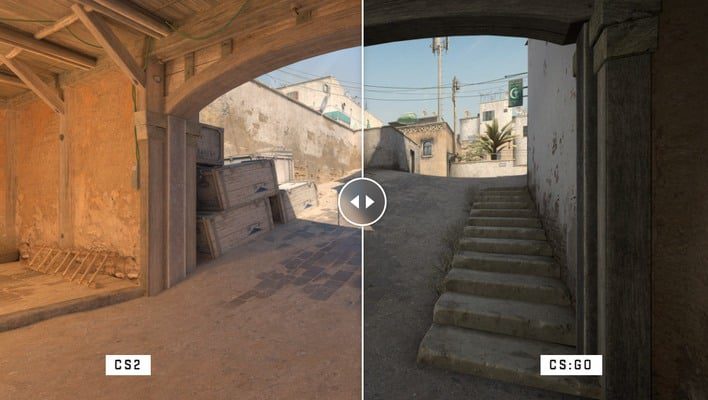
What’s Different in CS2 Economy?
While CS2 retains many core economic principles from CS:GO, several changes subtly shift the strategic landscape:
- Updated UI & Economy Feedback: CS2’s buy menu is more intuitive. Players can now refund accidental purchases during the buy phase—something that wasn’t possible in CS:GO.
- Visual Buy Grid System: CS2 introduces a radial or grid layout for buying gear. It streamlines decision-making but also nudges newer players to buy “meta” weapons more efficiently.
- Dynamic Loadouts: You can now configure your loadout with specific weapons (only a few pistols, SMGs, and rifles), meaning economy strategies vary more between players.
- Consistency in Kill Rewards: SMGs still dominate for farming, but overall kill rewards feel more balanced due to clearer economy indicators.
These tweaks, while subtle, improve quality of life and strategic flexibility. CS2 encourages smarter, cleaner economy play—making your decisions feel more meaningful.
Adapting Your Playstyle Accordingly
To thrive under CS2’s new economy system:
- Use the refund system smartly — Buy a gun, ask if someone needs it, then drop or refund.
- Customize your loadout — Choose budget-friendly weapons that fit your economy strategies.
- Take advantage of better UI — Always monitor your team’s money and communicate buys accordingly.
- Capitalize on loss bonuses — With clear indicators, planning save or force rounds is easier than ever.
CS2 didn’t reinvent the economy, but it polished it—now it’s your job to master it.
Practicing Economy Scenarios
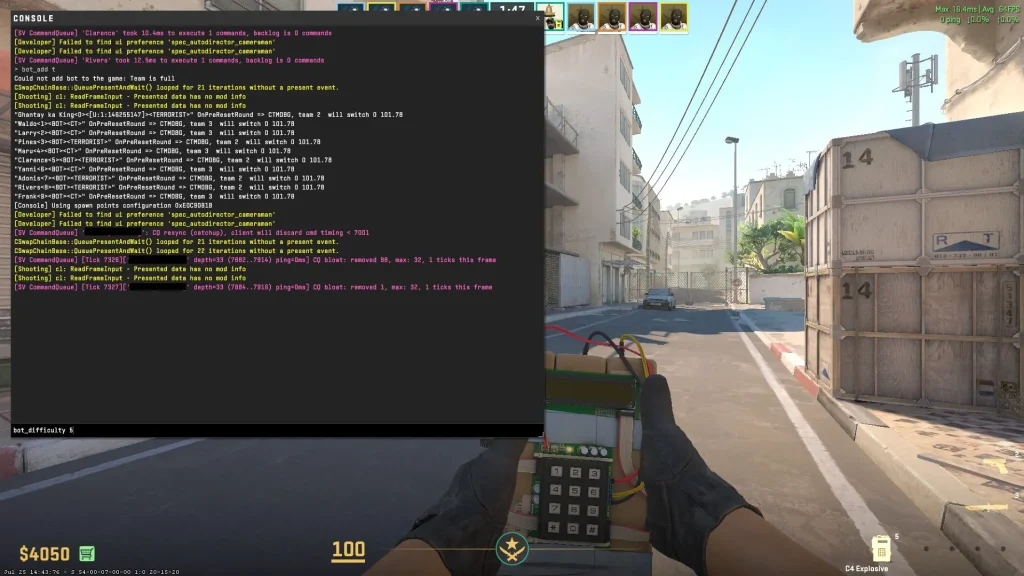
How to Simulate Buy/Sell Strategies
Practicing economy isn’t just about aim—it’s about decision-making. You can simulate buy and sell strategies offline or in scrims:
- Offline servers: Set up custom configs to start each round with different money amounts.
- Workshop maps: Try “Yprac” or “Aim Botz” maps that include economic decision drills.
- Roleplay rounds: Assign team roles and practice calling buy decisions based on a fake scoreboard or hypothetical scenario.
Practice makes permanent. Training your brain to think economically will make you more consistent under pressure.
Training Maps and Custom Games for Practice
Use these maps to practice economy-based decisions:
- Yprac Practice Arena: Includes custom economy challenges.
- Training_aim_csgo2: Rebuilt for CS2, allows you to simulate rounds with different guns.
- Bot match-ups: Play against bots and restrict your buys to simulate eco or force buys.
Doing 10 minutes of economic scenario training per day will massively level up your overall game sense.
Common Mistakes in CS2 Economy

Poor Buy Decisions
A classic mistake:
- Buying when teammates save: This leads to uneven rounds and weak team performance.
- Overbuying utilities: You buy every nade, but no armor—and then die instantly.
- Buying for yourself only: Ignoring a teammate’s need for a drop kills synergy.
Avoid these by planning your buys with the team. If you’re unsure—ask!
Ignoring Teammates’ Economy
Even experienced players fall into the trap of only looking at their money. That’s a quick path to failure.
Always:
- Check your team’s money.
- Coordinate drops if you have excess cash.
- Discuss save vs. buy rounds early.
Team games are won with unity—not five individual plays.
Conclusion
The economy in CS2 isn’t just numbers on a screen—it’s the heartbeat of every match. From deciding when to force or eco, to understanding kill rewards and managing loss bonuses, your money decisions shape your chances of victory.
Whether you’re an IGL calling strategic full buys, a support saving to drop rifles, or an entry fragger maximizing kill bonuses with an SMG—every role plays a part in the economy.
Mastering CS2’s economy means more than just understanding it. It’s about applying that knowledge dynamically in every round, every match. Once you start thinking with your wallet as much as your aim, you’ll start winning more rounds—and more games.
FAQs
How much money do you start with in CS2?
Each player starts with $800 in the pistol round. This resets at the start of every match and shapes early buy strategies.
What is the best way to handle economy as a beginner?
Stick with your team’s buying pattern. Don’t solo-buy. Communicate. Use eco rounds to save for full buys and don’t underestimate utility.
When should I force buy?
Force buy when you think your team has a decent chance of winning the round with pistols/SMGs or you need to break the enemy’s momentum. Coordinate it with the whole team.
What is a bonus round?
A bonus round is when your team keeps weapons (like SMGs) after winning a pistol/anti-eco to farm more money in the next round, instead of upgrading immediately.
How do eco rounds win games?
Eco rounds win by surprise: stacking bombsites, baiting, and trading effectively. They also preserve your economy and allow for stronger buys in future rounds.