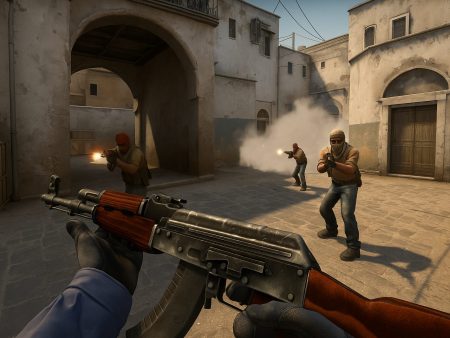
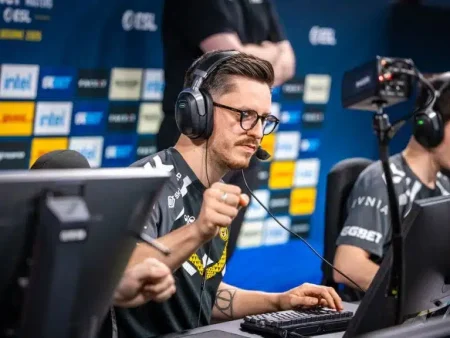
Master the art of advanced utility in CS:GO and CS2 with this in-depth guide on pop flashes and Molotovs. Learn expert tips, pro strategies, map-specific lineups, and common mistakes to dominate every round with perfect utility usage.

If you’re grinding ranks in Counter-Strike and still believe aim is everything, you’re leaving games on the table. What separates good players from great ones isn’t just their headshot percentage—it’s how they use their utility. Grenades, especially pop flashes and Molotovs, are tools of domination in competitive play. While many newer players throw utility blindly, experienced ones use them to control space, force movement, and set up decisive plays.
Modern CS isn’t about raw mechanics alone. At high levels, it’s a chess match. One well-placed flashbang or Molotov can completely flip the tide of a round. Want to know why some players seem to get easy kills or always seem to clear corners like a psychic? It’s usually not luck—it’s deliberate utility usage.
In this guide, we’ll break down the advanced usage of pop flashes and Molotovs, walking through the science, execution, map-specific setups, and team coordination that transform you from a utility waster into a utility master.
Why Utility Matters More Than Aim
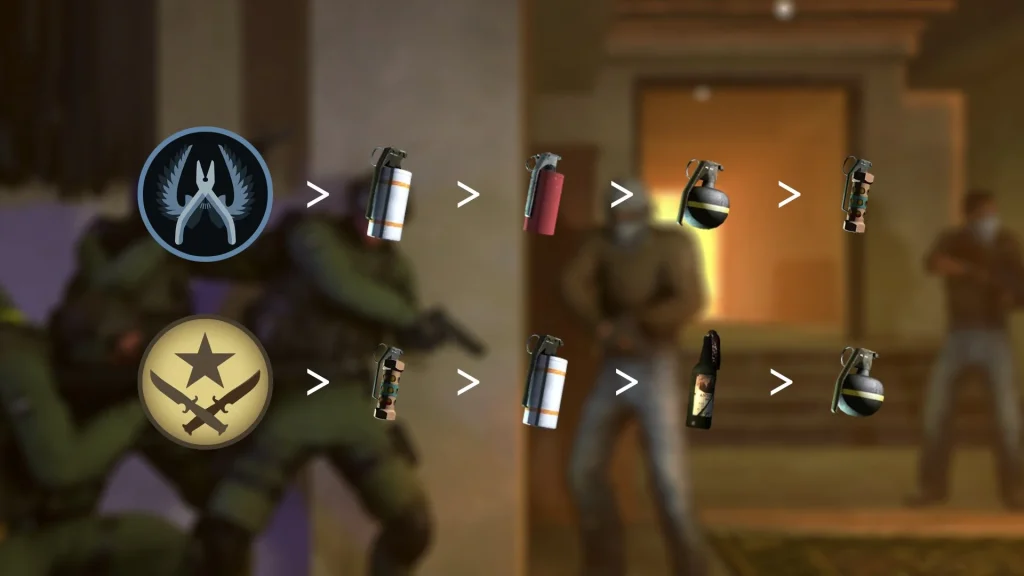
Here’s the thing: aim wins fights, but utility wins rounds. You can be a god with your crosshair, but if you’re dry-peeking every angle, you’re one bad angle away from losing a duel. On the flip side, throw a flash properly, and you don’t even have to fight—you’ll catch enemies blind and tap them for free.
High-level teams invest dozens of hours mastering flash timings, Molotov lineups, and smoke paths. That’s not for style points. That’s because smart utility turns a chaotic game into a winnable plan.
Think about this:
- A $200 flashbang can get you an entry kill worth $5000+ in rifles and gear.
- One Molotov can delay a rush, isolate a player, or force someone out of a ratty corner.
That’s value.
Transition from Basic to Advanced Tactics
So you’ve learned basic flashbang and Molotov spots. Cool. But do you know how to pop flash without alerting the enemy? Or how to throw a Molotov that forces a player into your teammate’s crosshair? That’s where the fun begins.
Advanced utility usage includes:
- Timing flashes perfectly so they explode as they appear in enemy view.
- Throwing Molotovs off walls or smokes to hit tricky corners.
- Layering utility to deny information or create bait plays.
- Rotating setups so your utility doesn’t become predictable.
The rest of this article will break down exactly how to level up your game using just two grenades: the pop flash and the Molotov.
Understanding the Role of Pop Flashes
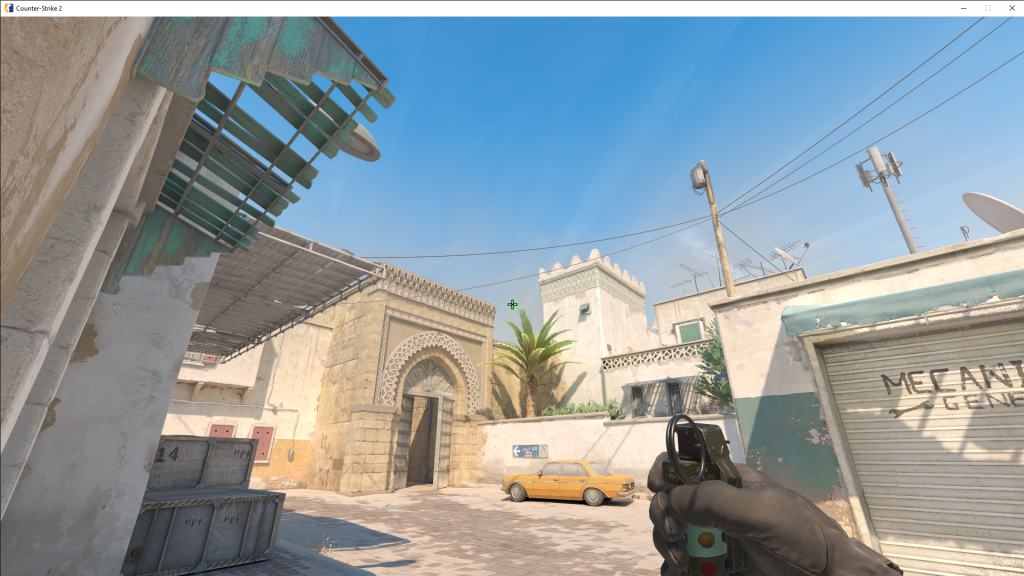
Pop flashes are the ninja stars of CS—fast, silent, and deadly. They’re called “pop” flashes because they detonate almost instantly as they enter the enemy’s vision, giving them no time to turn away.
So, what sets a pop flash apart from a regular one? Timing, trajectory, and surprise.
What Makes a Flash “Pop”?
For a flashbang to be considered a “pop flash,” it needs to:
- Explode instantly after appearing in the enemy’s line of sight.
- Be thrown from an off-angle so it’s harder to anticipate.
- Not blind your teammates who are pushing behind it.
It’s not just about where the flash lands—it’s about when it explodes. Ideally, a pop flash should go off within 0.1 to 0.2 seconds of becoming visible to the enemy. That’s not enough time to react or turn away, especially during an intense moment.
Perfect pop flashes combine:
- Quick bounces off nearby surfaces like doors, walls, or ceilings.
- Use of right-click or jump-throws for tight angles.
- Sound masking during gunfire or footsteps.
The Science Behind Timing and Angles
Want to get nerdy? The flashbang in CS2 takes 1.6 seconds to explode after being released. But if you bounce it off a surface that sends it directly into the enemy’s face in the last 0.2 seconds? That’s a perfect pop.
It’s all about controlling these three variables:
- Release Time – When does the grenade leave your hand?
- Flight Path – How does it move through the air or off walls?
- Explosion Point – When and where does it detonate?
For example, instead of a lazy overhand throw, you might use a right-click underhand toss off a nearby corner that lands just in front of an angle your team is peeking.
Knowing the map geometry helps—small ledges, light fixtures, doors, and even teammate boosts can all become tools to execute these flashbangs.
Best Use Cases for Pop Flashes
Pop flashes shine in several key scenarios:
- Entry Frags – Clear angles like Inferno Banana, Mirage Catwalk, or Dust2 Long.
- Retakes – Disorient players holding post-plant angles.
- Anti-Rush Defense – Slow down or blind enemy rushes on choke points.
- Aggressive Pushes – Surprise enemies with a flash through smoke or a door.
Some of the most iconic plays in CS history came from single, well-timed pop flashes. They’re quick, dirty, and brutally effective.
You don’t need five grenades and a strat book. Sometimes, all you need is the right pop flash at the right time.
Mastering Pop Flash Techniques
Anyone can throw a flash. But to master pop flashes, you need to understand the mechanics, practice relentlessly, and most importantly—communicate.
There’s a huge difference between solo pop flashing and coordinated team flashes. Both are powerful but serve different roles.
Solo vs. Team Pop Flashes
When you’re alone, a solo pop flash needs to be:
- Quick to execute
- Safe to throw without peeking first
- Precise enough to blind common angles
For example, on Mirage mid, a solo underpass flash off the left wall can blind connector and short players instantly without exposing you.
Team pop flashes, on the other hand, are:
- Thrown on teammate’s cue
- Often lobbed over walls or smokes
- Designed to maximize timing synergy
A classic example? B site retake on Inferno. One player throws a flash from CT over the roof while teammates swing from construction. The flash pops just as they peek. No chance for the enemy to react.
High-Risk, High-Reward Pop Flash Plays
Some pop flashes are borderline insane—but that’s what makes them amazing. Jump flashes over smoke, silent flashes off doorframes, or bait flashes that draw peeks into your AWPer.
These riskier plays are great for:
- Breaking stalemates
- Surprising default setups
- Clutch situations where you need every edge
But remember—they need coordination and practice. Don’t pull out these tricks cold in a match without warm-up.
Countering Enemy Pop Flashes
Here’s where it gets spicy.
Just like you use pop flashes, enemies do too. Learning to recognize setups, anticipate common throw spots, and listen for audio cues can save your life.
Tips to counter pop flashes:
- Pre-aim the ground and quick-turn when flashes are expected.
- Use anti-flash positions like behind boxes or walls.
- Bait the flash—peek quickly to draw a throw, then re-peek while they’re mid-animation.
Countering pop flashes is about knowing your enemy as well as they know the map.
Map-Specific Pop Flash Setups
Mastering pop flashes doesn’t mean throwing random flashes around the map. It’s about tailoring your flashes to each map’s layout and meta. Every competitive map has angles, choke points, and common hideouts that can be exploited with perfect flash timings.
Let’s break down some of the most effective pop flash setups across key maps:
Inferno – Banana and Mid Control
Banana on Inferno is one of the most contested areas in the game, and having good pop flashes here is non-negotiable. On the T side, a simple flash thrown off the skybox into close car blinds any CTs holding logs or half-wall. Combine that with a peek from second mid or ramp, and you can snatch control before they even know what hit them.
For CTs, a deep pop flash from CT spawn or behind sandbags can completely dismantle a banana rush. The key is throwing it as your teammate swings, ensuring maximum impact.
Mid control also benefits from flashes off the wall near second mid stairs. A quick underhand bounce sends a flash popping just behind arch or short, blinding both AWPers and riflers trying to hold passive angles.
Mirage – A Site Entry and Mid Pushes
Mirage offers a playground of pop flash options. The most iconic is the palace pop flash—a teammate throws a high flash over A site from Tetris or ramp, and the palace player swings out while defenders are fully blind. Executed properly, it’s free real estate.
Mid is another prime spot. Throwing a flash from top mid off the right wall near the boxes blinds short players perfectly. If your teammates are pushing connector, time it just before they peek—this flash explodes directly in the face of anyone holding from jungle or stairs.
Even B site has options. A jump throw flash from B apps lands deep onto the site, blinding anyone playing bench or van, especially if they’re holding a close angle.
Overpass – B Short and Monster Control
Overpass is utility heaven. Controlling B short is all about pushing through the connector or water area with well-timed pop flashes. From connector, a teammate can throw a flash that bounces off the left wall of short, blinding barrels and pillar players just before the push.
Monster control on the T side needs precision. A jump throw flash from near T spawn can land just outside the monster tunnel, popping right in front of the CTs holding from graffiti or barrels. It’s one of the best early-round pop flashes in the game.
Knowing these map-specific flashes and practicing them consistently gives you a serious edge, especially in team play. You’ll be turning tight angles into winnable fights and making your pushes a nightmare for defenders.
Introduction to Molotovs and Their Strategic Impact
Molotovs might not have the flashy impact of a multi-kill AWP play, but they’re the unsung heroes of map control and round wins. A well-thrown Molotov doesn’t just cause damage—it manipulates enemy movement, delays timings, and creates psychological pressure.
Let’s dig into what makes Molotovs a must-have tool in your advanced utility kit.
First and foremost, Molotovs are area denial grenades. When thrown into a key position—think under palace on Mirage or barrels on Inferno—they force the enemy to either take 40+ damage or reposition. That reposition is your cue to capitalize and swing.
But the strategic value of a Molotov goes way beyond damage:
- On T side, you can use Molotovs to clear common corners, like sandbags on Inferno Banana or dark spot on Nuke’s B site.
- On CT side, throwing a Molotov early round can deny rushes or at least buy your team a few crucial seconds to rotate or set up.
- In post-plant scenarios, Molotovs deny defuse attempts and buy time. Ever seen a round won just because someone mollied the bomb at 4 seconds? That’s textbook.
The sound of a Molotov igniting also creates tension. Even if it doesn’t connect, it sends a message: “I know where you are.” Players second-guess their position, which slows them down and affects decision-making.
Economically, they’re also efficient. For $400, a Molotov can potentially isolate a player, deny a plant, or secure a frag. That’s incredible value for one grenade.
Molotovs also force utility trades. If you Molotov a position, the enemy might have to smoke it out, costing them $300 just to stay put. That’s a net gain for your team in terms of economy and pressure.
In high-level CS, you’ll see teams layering utility: a Molotov forces movement, a flash follows, and then the fragging begins. Learning how to integrate Molotovs into your utility plan is what separates advanced players from aim-reliant ones.
Perfecting Molotov Lineups
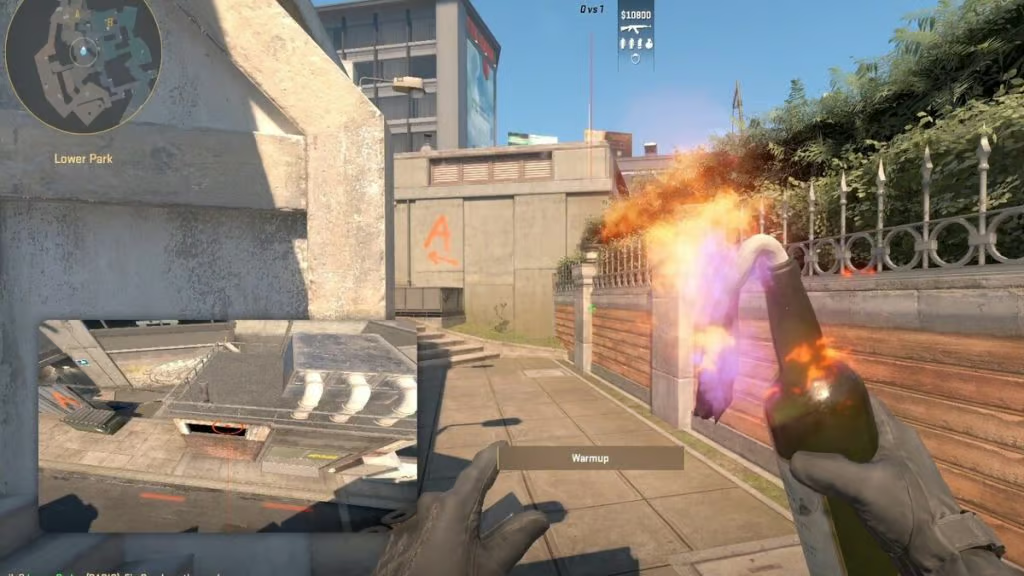
Here’s where the nerdy stuff pays off. To truly dominate with Molotovs, you need lineups that are repeatable, precise, and fast. Gone are the days of eyeballing throws and hoping for the best. If you want to become the player your team relies on to clear angles and shut down pushes, you need crystal-clear lineups.
The first step? Pick your map. Let’s say Mirage. You can set up in T spawn and line up a Molotov that lands perfectly behind triple boxes or under balcony on A site. These aren’t guesswork—they’re pixel-perfect lineups.
And once you’ve nailed them, you have:
- Confidence in your utility landing where it needs to.
- Consistency round after round.
- The ability to execute fast hits or slow defaults with full control.
Key tips to perfect your lineups:
- Practice in an offline server with infinite nades and no bots.
- Use maps like Yprac or community workshop tools to create muscle memory.
- Record your own video or use screenshots to remember lineups visually.
- Stay updated—patches change map geometry, and that one spot that worked pre-update might now bounce off a weird pixel.
On Dust2, for example, a top-tier Molotov is the one you throw from long doors that lands on car, completely denying that headshot angle. On Nuke, Molotovs from heaven to the B bombsite stop plants cold. Every map has at least five must-know Molotovs that make life easier.
Also, adapt to the meta. If players start countering your default molly with a smoke, start faking it. Pull the pin, make the noise, and instead of throwing it, peek while they’re distracted.
Lineups aren’t just about utility—they’re about timing, psychology, and total map control.
Combining Pop Flashes and Molotovs
Pop flashes and Molotovs are strong individually, but together they’re unstoppable. This combination is the bread and butter of site executes, post-plant plays, and retakes at every level of the game. One blinds, the other burns—it’s like a dynamic duo designed to wreak havoc.
Imagine this: you’re on T side Mirage, about to hit A. Your teammate molotovs default while you throw a flash over ramp. The defenders at triple are either burned alive or blinded. That kind of utility layering creates chaos and opens up easy entries.
Let’s break down how to effectively combine the two:
- Clear a spot with a Molotov, then follow it with a flash to catch rotators or nearby players peeking.
- Use a pop flash to force a player into a Molotov. This is especially brutal near choke points like B short on Overpass or tunnels on Dust2.
- In post-plant, Molotov the bomb and pop flash anyone trying to stick the defuse. It’s an almost guaranteed round win if timed right.
Combining these grenades also forces panic. A Molotov alone might get smoked off. A flash alone might be dodged. But when they come together—the flash disorients, and the Molotov punishes. No safe ground. No time to react.
On CT side, this duo is incredible for retaking key zones. Flashing into pit on Inferno while molling behind car clears space fast. Or on Nuke, dropping a molly into squeaky followed by a flash from hut makes pushing A a nightmare.
Timing is everything. Communication helps too. You don’t want your teammate swinging while you’re still lining up the flash. Or worse—your molly hitting your teammate because you rushed the combo.
Done right, pop flashes and Molotovs create controlled destruction, making any bombsite or angle your playground.
Pro-Level Utility Usage Examples
If you want to understand the full potential of pop flashes and Molotovs, just watch the pros. At the highest level, utility usage isn’t just efficient—it’s surgical. Every nade has a purpose. Every flash is timed. Every Molotov has a contingency.
Let’s look at some iconic examples.
Remember when s1mple and electronic on Na’Vi would combo a Molotov under balcony on Mirage followed by a pop flash over A ramp? That setup destroyed Astralis’s A defense in multiple LANs. It wasn’t flashy in the traditional sense—but the utility perfectly isolated, blinded, and burned out the opposition.
Then there’s Team Vitality, known for their late-round executes where ZywOo uses Molotovs not to damage, but to cut off escape routes. He’ll throw one toward short, then peek with a flash from a support player. The CT has nowhere to go—and more often than not, Vitality gets the pick.
On Overpass, Heroic’s CT utility is masterclass-level. They’ll delay a B push with a Molotov, then flash a peek through short pipe that catches T players unaware every single time. It’s not just the throws—it’s the synergy.
Watching demos teaches you:
- Optimal utility timings
- Common pro-level lineups
- How to chain utility for max impact
- When to save vs. force utility trades
You’ll notice something else too: pros rarely waste grenades. Even in chaotic rounds, their flashes are deliberate, their Molotovs timed with intent. That’s the mindset you need to absorb and apply in your games.
Utility Usage Mistakes to Avoid
Even if you’ve mastered all the lineups and practiced your throws endlessly, you’re not immune to the classic traps of poor utility usage. These mistakes don’t just cost you grenades—they can cost you rounds, matches, and even rank-ups. Understanding what not to do is just as important as understanding what to do.
Wasting Utility Too Early
This is one of the most common blunders, especially at intermediate levels of play. Players often throw Molotovs or flashbangs in the first 10 seconds of the round, even when there’s no pressure. It’s understandable—you want to get aggressive control. But if you throw your nades early without confirming enemy presence, you’re basically setting your utility on fire.
Let’s say you’re CT on Inferno and toss both of your banana nades before 1:45. The T side simply waits it out. Now, they hit you at 1:10 with full utility and you’ve got nothing left to slow them. They win the economy war and the round.
Timing matters. Learn to hold your utility until you get information. A good Molotov thrown at 1:20 can do way more damage than one tossed at 1:55.
Lack of Communication
A utility plan without communication is like trying to tango alone. One of the most painful moments in CS is flashing your teammate just as they peek—instant death, and probably a toxic voice chat right after.
Always call out your utility:
- “Flashing now.”
- “Mollying back site.”
- “Wait for my flash, then swing.”
Even simple, short phrases can mean the difference between a coordinated push and total chaos. Great teams have utility rhythm—like a dance choreographed to the beat of each player’s nades.
Misaligned Timings
Timing mismatches kill plays before they even start. One player molotovs triple, but the flash comes two seconds later. The enemy has already rotated or repositioned. Utility is strongest when layered together, not staggered across an awkward 5-second window.
To fix this, practice with your teammates (or even pugs) on standard executes, and learn the exact second to throw each piece of utility. The smoother the execution, the more pressure you apply—and the harder it is to counter.
Practice Routines to Improve Utility Usage
Want to level up fast? Start treating utility practice like aim training. You don’t hit headshots without warmup, so don’t expect pixel-perfect utility without a grind. The good news? You don’t need a full team or even an online server to sharpen your throws—just a little time, a local server, and a plan.
Offline Server Practice Methods
One of the easiest ways to drill utility is through an offline server with unlimited nades and noclip enabled. Here’s a quick setup:
- Launch CS2
- Open console:
map de_mirage(or any map) - Enable commands:
sv_cheats 1,sv_infinite_ammo 1,bind v noclip - Practice lineups using
sv_grenade_trajectory 1andsv_grenade_trajectory_time 10
Now you can see where every flash or Molotov lands. Adjust angles. Try new variations. You can even use bots to simulate timing and positioning.
Watching Demos and Analyzing Play
You can learn a lot from pros—not just from flashy plays but from their decisions. Watch how players like NiKo or KSCERATO use utility. Note the timings, the triggers, and how they combo nades with teammates.
Watch your own demos too. Notice:
- Did your flash actually blind anyone?
- Was your Molotov impactful or wasted?
- Could you have saved a teammate with a utility throw?
These are simple questions that unlock massive improvements.
Using Community Workshop Maps
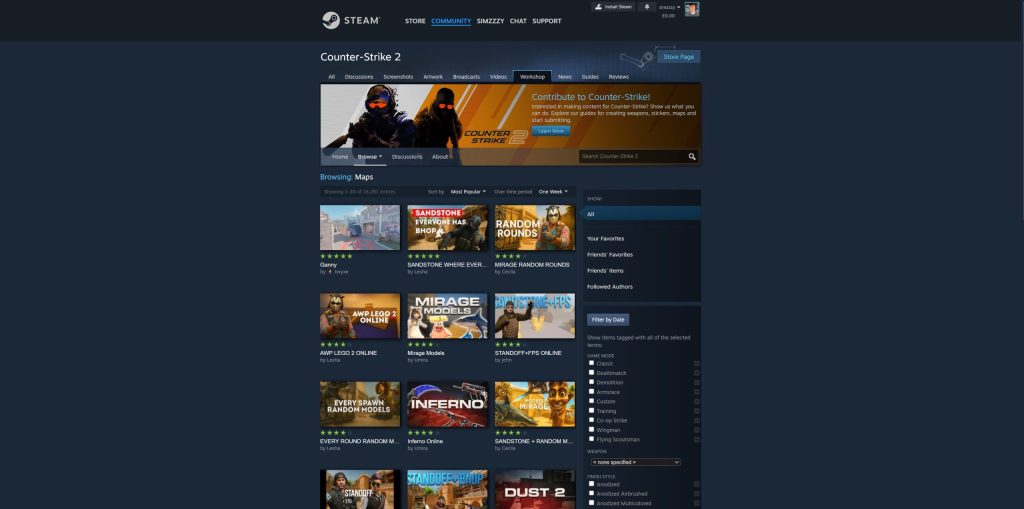
The CS community has built phenomenal utility training maps, like Yprac’s series. They feature:
- Built-in utility challenges
- Lineup memory tests
- Bot simulations for flashes and mollies
These tools are gold for players looking to memorize setups for every site and position.
Incorporate 10–15 minutes of utility training into your daily CS routine. The result? You’ll move from guesswork to precision execution, and your confidence in key rounds will skyrocket.
Team Communication and Utility Synergy
Ever wonder why some teams seem to win even when outgunned? It’s usually not raw aim—it’s communication and synergy, especially with utility. Coordinated utility is like jazz: it’s not just about one player; it’s about the harmony between all players.
Calling Out Utility Plans
This might seem basic, but calling out your utility—clearly and in advance—is a game-changer.
Saying, “I’m flashing short in 3, 2, 1” gives your teammate the window to peek perfectly. Saying “I mollied back site” lets the AWPer avoid wasting their shot or hold a new angle. These small phrases build trust, and trust leads to confidence in every execute.
Synchronizing Timings
You don’t want to throw a Molotov two seconds after your teammate already died trying to clear that exact corner. Good synergy means flashes and mollies land together, forcing the enemy to make split-second decisions—do they dodge the flash or run from the flames?
Practice “3-2-1 go” executes in scrims or practice servers. Set up roles: one flashes, one mollies, one entries. The more you repeat it, the more natural it becomes in ranked or matches.
Creating Game Plans Around Utility
The best teams build entire strats around utility. Think:
- “Default with a late B execute” where utility is saved until the 30-second mark.
- “Contact play with an instant molly on truck” when hitting A on Overpass.
- “B fake with 3 nades” to draw rotations.
Pre-plan who throws what. Write it down if you have to. That way, you’re not scrambling for lineups mid-round while the clock ticks down.
Synergy also means adapting. If your teammate dies and had the Molotov for default, you need to step up and throw your own—or take that fight dry. That flexibility is what makes strong utility teams thrive.
Psychological Impact of Utility
Utility isn’t just physical—it’s psychological warfare. Every grenade you throw creates doubt, fear, and hesitation in your opponents. When used right, it doesn’t just hurt them—it gets in their heads.
Conditioning the Enemy
One of the most underrated parts of advanced utility use is conditioning. Throw the same flash at the same time for three rounds. Let them think they’ve figured you out. Then—skip the flash on round four and hold their expected swing with an AWP. Boom. Easy frag.
Conditioning works best with:
- Flashes that land in specific choke points.
- Molotovs that delay pushes or deny info.
- Smokes used as part of a fake execute.
When the enemy expects something and you change it, they hesitate. That’s your opening.
Playing Mind Games with Repeated Utility
There’s an art to subtle changes. Toss a Molotov toward a corner but don’t commit to a peek. On the next round, toss it and push behind it. Keep them guessing. A good utility user never lets the enemy settle.
Repetition followed by variation creates uncertainty. Uncertainty leads to mistakes. In a game where milliseconds matter, that edge is priceless.
Exploiting Opponent Reactions
Learn how enemies react to specific utility:
- Do they always peek after you smoke a spot?
- Do they run through molly if you flash them?
- Do they rotate early when they hear a grenade barrage?
Track these behaviors and punish them. If they push through fire every time, throw a deeper molly and wait with a crossfire. If they always rotate on A noise, use that to sell a fake.
Utility is more than a tool—it’s a mind control device in the hands of a smart player.
Advanced Utility in Retake and Post-Plant Scenarios
Utility isn’t just for executing a site. Some of the most clutch rounds are won (or lost) based on how utility is used during post-plants or retakes. It’s a whole different skill set—and one that often separates average players from true game-changers.
Retake Flash and Molly Combos
When retaking, you often have to clear multiple angles quickly. You can’t dry-peek every corner—it’s suicide. That’s where coordinated utility shines.
Example: On Mirage A site retake, one player throws a flash over CT, while another mollies under balcony. The push becomes structured. Enemies are forced to move or fight blind—either way, your chances increase dramatically.
Retakes require:
- Fast flashes that don’t blind teammates.
- Molotovs for post-plant positions (Default, Ninja, etc.)
- Communication to swing together off utility.
Don’t hold nades for too long—use them within the first 5 seconds of the retake, or the opportunity vanishes.
Denying Defuse with Fire
One of the best ways to secure post-plant rounds is a Molotov on the bomb. With perfect timing, you can force enemies off the defuse, even without peeking. Just make sure you time it with the 10-second defuse window.
Some players use a combo of sound cues and a lineup to throw the molly from a safe post-plant spot (like banana on Inferno or short on Mirage). The result? Free round secured.
Faking Utility to Draw Rotations
In 1vX situations, you can also use fake utility to draw defenders away. Toss a flash toward one site, then walk to another. Or drop a smoke and go silent—make them rotate and give you a plant site for free.
Utility in these clutch moments is more about timing, deception, and pressure than damage. Master that, and you’ll win more clutches than ever before.
Evolving With the Meta
Utility usage isn’t a static skill—it evolves constantly. As new patches are released, pro teams innovate, and player behavior shifts, you need to adapt or fall behind. What worked last season might now be easily countered. Staying ahead of the curve ensures your utility remains a weapon, not a wasted opportunity.
Patch Changes Affecting Utility
Valve often tweaks utility behavior in updates. A small change in grenade trajectory or map design can completely invalidate old lineups or open up new opportunities. For example, when skyboxes were removed on Mirage or Vertigo, it unlocked new utility paths that weren’t possible before.
Even Molotov mechanics have changed over time—adjustments in spread, duration, and damage can impact how you approach executes and delays. A molly that once denied a plant might now burn out too soon, so players must adapt their timing.
It’s crucial to stay updated. Read patch notes. Watch update videos. Join forums or subreddits where players quickly break down how changes affect lineups and meta play.
Community Innovations
Some of the most groundbreaking utility usage isn’t created by pros—it’s invented by passionate players and shared in videos, Twitter threads, or YouTube guides. These players experiment in custom servers, discover obscure wallbang mollies, or pop flashes that just barely dodge vision cones.
Use platforms like:
- YouTube (channels like VooCSGO, WarOwl, or 3kliksphilip)
- Reddit (/r/GlobalOffensive, /r/learncsgo)
- Discord communities
- Twitch streams of professional players
The CS community is constantly innovating—use that to your advantage.
Keeping Your Game Fresh
You don’t need to relearn every lineup each month, but building a routine of updating and refining your utility play is crucial. Add one new lineup to your arsenal weekly. Watch a pro match and copy a utility tactic. Try weird stuff in casual before testing it in competitive.
Keeping things fresh ensures you’re always one step ahead—not just in mechanical execution, but in game intelligence, where true CS dominance lies.
Conclusion
Utility is the heartbeat of Counter-Strike. While flashy AWP flicks and crisp headshots dominate highlight reels, it’s the grenades, fire, and flashes behind the scenes that truly win rounds. If you’ve read this far, you already know that advanced pop flashes and Molotov usage are more than tools—they’re strategies, mind games, and power moves rolled into a $200 grenade.
We’ve covered everything from the basics of what makes a flash “pop,” to advanced setups, map-specific lineups, practice routines, and real-world examples from the pros. By now, you should understand that timing, synergy, and consistency matter far more than memorizing a hundred random nades.
Here’s your takeaway:
- Learn utility like you learn aim.
- Communicate with your team.
- Watch pros and adapt.
- Practice smart, not just hard.
- Use utility to control—not just the map, but the minds of your enemies.
Start integrating just 10% of what you’ve learned here into your gameplay, and you’ll immediately notice the shift in confidence, team coordination, and round impact.
Counter-Strike has always been a game of brains and bullets—and utility is where those two worlds collide.
FAQs
How do I practice pop flashes efficiently?
Use a local server with infinite nades, and enable sv_grenade_trajectory 1 to see the grenade path. Practice flashes off surfaces and memorize timings so they explode right as your teammates peek. Use community maps like “Yprac” for guided drills.
What’s the best way to learn Molotov lineups?
Start with 2–3 essential lineups per map. Use workshop maps or slow-motion demo analysis to master angles and visuals. Repetition is key. Save screenshots or create a cheat sheet of your lineups for easy reference before matches.
How can I use utility better in solo queue?
Keep your nades simple and effective. Communicate your flashes and molotovs even if teammates don’t have mics. Use default nades to delay or clear common angles, and don’t rely on others—prepare solo utility you can use to entry, hold, or retake by yourself.
Are pop flashes still viable in CS2?
Absolutely. CS2’s updated lighting and skybox mechanics actually open up new flash paths. With proper timing and positioning, pop flashes are still among the most reliable tools to secure entry kills or break through defenses.
What is the most underrated use of a Molotov?
Delaying rotates. Throwing a molotov at connector or market window doesn’t just deny position—it can delay a flanking defender long enough for your team to plant, set up, or even win a duel. That two-second pause can win a round.